

Bhopal's Dog Sterilization Efforts Fall Short Despite Infrastructure Boost
The Bhopal Municipal Corporation (BMC) has significantly expanded its resources to tackle the city's stray dog population through its Rabies-Free City programme. Over the past three years, the number of sterilization centers has doubled, aiming to enhance capacity for controlling the growing canine numbers and reducing rabies transmission risks.
Modest Gains in Sterilization Figures
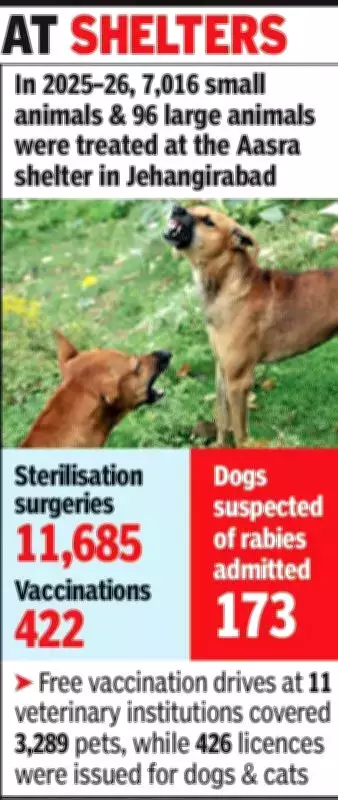
However, official data reveals that this infrastructure expansion has not translated into a proportional increase in sterilization outcomes. As of February 28, 2026, BMC reported 23,363 dog sterilizations and 29,766 anti-rabies vaccinations conducted across the city, with an expenditure of approximately Rs 25.7 lakh. The total sterilization count, around 29,000, shows only a slight rise from the earlier figure of 25,000, raising serious questions about the programme's overall effectiveness and efficiency.
Expert Warnings on Insufficient Pace
Public health and veterinary experts have issued stark warnings regarding the current pace of sterilization efforts. They emphasize that with stray dog numbers continuing to climb, Bhopal must escalate its annual sterilization target to at least 60,000 procedures to achieve meaningful population control and significantly curb the risk of rabies outbreaks. The existing data highlights a critical shortfall, with a gap exceeding 31,000 sterilizations per year, even after the recent infrastructure enhancements.

This disparity underscores the challenges in translating increased resources into tangible results on the ground. The situation calls for a comprehensive review of operational strategies, community engagement, and resource allocation to bridge the gap and meet the urgent public health objectives of the Rabies-Free City initiative.






