

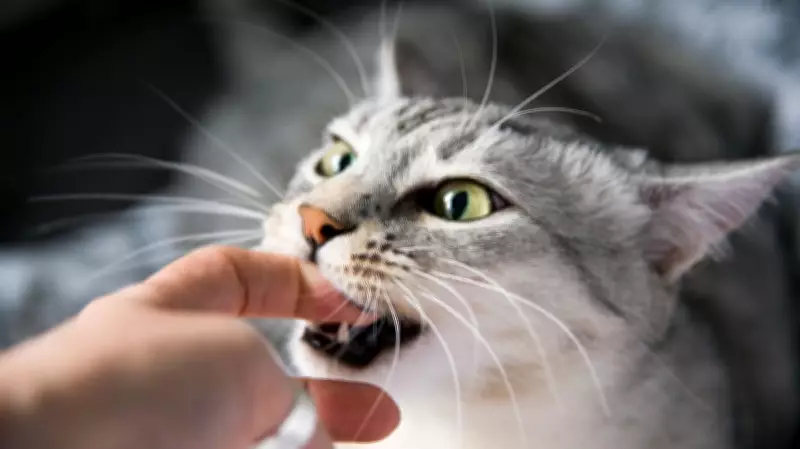
Cat Bites Surpass Dog Bites in Kerala, Sparking Health Alerts
In a surprising public health development, data from Kerala indicates that incidents of cat bites are now significantly higher than those from dog bites across the state. This trend has raised alarms among health officials and veterinarians, as it underscores a shift in animal-related injuries that could impact rabies prevention and control strategies.
Comparative Data Reveals Stark Contrast
According to recent statistics compiled from health centers and hospitals in Kerala, cat bites have been reported at a much higher frequency compared to dog bites. While dog bites have traditionally been the primary concern for rabies transmission and public health interventions, the rising number of cat bite cases suggests a need for updated awareness campaigns and medical protocols.
Key findings from the data include:

- Cat bites account for a majority of animal bite incidents in many districts of Kerala.
- Dog bites, though still prevalent, have shown a relative decline in comparison.
- The increase in cat bites is attributed to factors such as growing stray cat populations and human-animal interactions in urban and rural areas.
Public Health Implications and Rabies Risks
This shift has significant implications for public health, particularly regarding rabies management. Cats, like dogs, can carry the rabies virus, and bites from infected animals pose a serious risk of transmission to humans. Health experts emphasize that prompt medical attention, including wound care and vaccination, is crucial for all animal bites to prevent rabies and other infections.
"The higher incidence of cat bites calls for enhanced surveillance and public education on handling stray animals and seeking immediate treatment," noted a health official from Kerala. "We must adapt our strategies to address this emerging trend effectively."
Factors Contributing to the Trend
Several factors may be driving the increase in cat bites in Kerala:
- Urbanization: Rapid urban growth has led to more encounters between humans and stray cats in residential areas.
- Behavioral Patterns: Cats may be more prone to biting in certain situations, such as when threatened or during feeding interactions.
- Reporting Practices: Improved reporting mechanisms in health facilities might have led to better documentation of cat bite cases.
Veterinarians and animal welfare groups are also highlighting the importance of responsible pet ownership and community-based initiatives to manage stray animal populations, which could help reduce bite incidents over time.
Recommendations for Prevention and Response
To address this public health concern, authorities in Kerala are considering several measures:
- Launching awareness campaigns on the risks of cat bites and the importance of rabies vaccination.
- Strengthening animal bite surveillance systems to track trends and hotspots.
- Encouraging prompt medical consultation for any animal bite, regardless of the species involved.
As Kerala grapples with this new data, the focus remains on ensuring public safety and preventing rabies outbreaks through proactive health policies and community engagement.






