

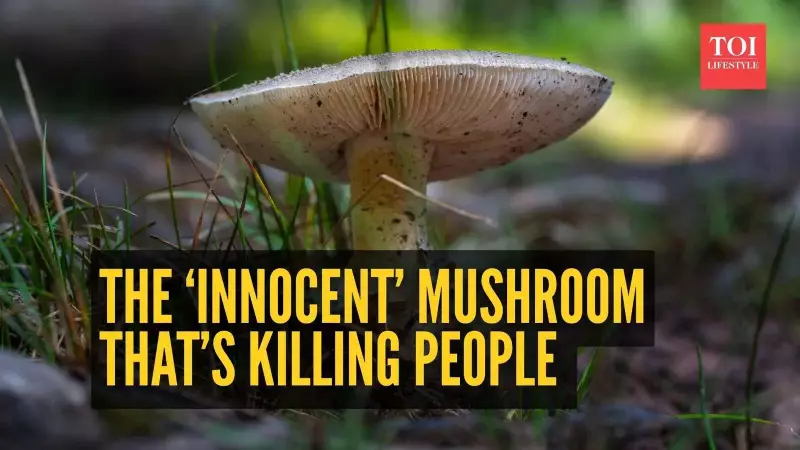
A silent but deadly threat is spreading across California's lush landscapes. What foragers often see as a harmless natural bounty is turning into a source of severe illness and tragic fatalities. Health authorities are sounding the alarm after another life was claimed by toxic wild mushrooms, marking a disturbing surge in poisoning cases this season.
Alarming Spike in Poisonings and Fatalities
The most recent tragedy occurred in Sonoma County, where a man lost his life last weekend after consuming a death cap mushroom. This incident marks the third death in California linked to these toxic fungi since November. The scale of the crisis has deeply concerned public health officials.
Data reveals a shocking increase. Between November 18 and January 4, California recorded 35 cases of mushroom poisoning. In a typical year, officials would expect fewer than five such cases. Sheri Cardo, a communications specialist for the state health department, emphasised the severity, stating the numbers this year are "comparatively off the charts."

Official Warnings and the Root of the Problem
In response to the escalating reports, the California Department of Public Health issued a stern advisory on December 5. The directive was clear: residents should not eat any mushrooms collected from the wild. The advisory highlighted several poisoning clusters around Monterey and the San Francisco Bay Area, where people mistakenly identified toxic mushrooms as safe varieties.
Dr. Michael Stacey, interim health officer for Sonoma County, confirmed the local death as the first wild mushroom fatality there this season. He linked the proliferation of the deadly fungi to specific weather conditions. "Early rains and a mild fall have led to a profusion of the toxic death cap mushrooms in Northern California," Dr. Stacey explained.
Why the Death Cap Mushroom is So Lethal
The primary danger lies in a potent toxin called amatoxin, found in death cap mushrooms. This substance aggressively attacks the liver, kidneys, and digestive system. The poisoning is particularly insidious because symptoms are often delayed.
Nausea, vomiting, diarrhea, and stomach pain can appear up to 24 hours after ingestion. By the time symptoms manifest, serious organ damage may already be underway. In severe cases, fatal liver failure can develop within just two to three days.
Heather Hallen-Adams, toxicology chair of the North American Mycological Association, underscored the extreme risk. She noted that approximately 90% of fatal mushroom poisonings are due to amatoxin. The lethal dose is frighteningly small; a piece of mushroom the size of a sugar cube can be enough to kill an adult.
A Deadly Case of Mistaken Identity
Complicating the issue is the mushroom's deceptive appearance. Authorities note that some of the recent poisoning victims were Spanish speakers. Officials suggest that some individuals may be relying on foraging knowledge from outside the United States, where similar-looking mushrooms are safe.
Heather Hallen-Adams pointed out a critical fact: death cap mushrooms closely resemble other Amanita species that are commonly collected and eaten safely in countries like Mexico. This visual similarity dramatically increases the risk of deadly errors, even for experienced foragers.
The consistent message from all health experts is unequivocal: the only way to guarantee safety is to avoid consuming any wild-picked mushrooms entirely. As the season continues, this warning becomes a matter of life and death for California's residents.






