

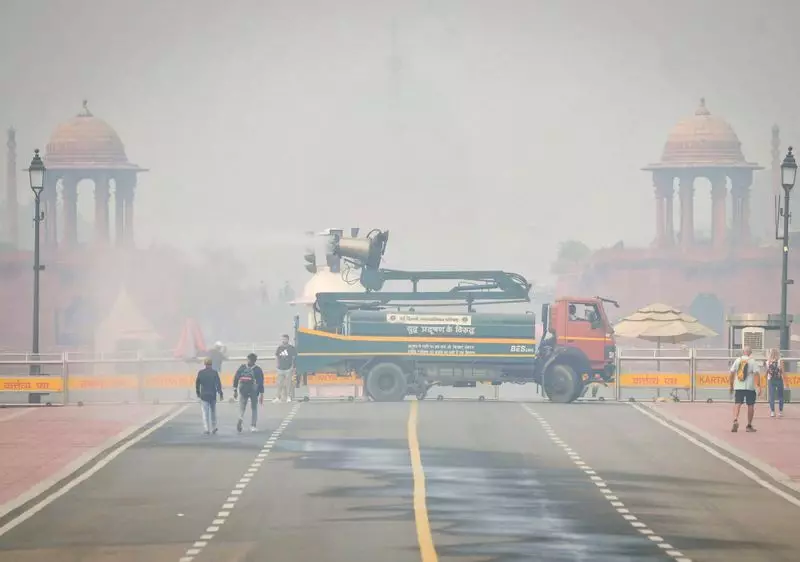
In a significant development for residents of the national capital, the Commission for Air Quality Management (CAQM) has announced that Delhi's air quality is showing consistent improvement, allowing the authorities to hold off on implementing Stage 3 of the Graded Response Action Plan (GRAP) for the time being.
Current Air Quality Status and Decision
The sub-committee responsible for implementing GRAP conducted a thorough review of the overall air quality parameters in Delhi-NCR. The commission decided that there is no immediate need to impose the Stage 3 curbs, which include a ban on the operation of BS-III petrol and BS-IV diesel four-wheelers. This decision comes as a major relief to commuters and businesses across the region.
Officials noted that the Air Quality Index (AQI) has been oscillating between 'poor' and 'very poor' categories rather than dipping into the 'severe' zone that would trigger more stringent actions. The forecast from meteorological agencies and the Indian Institute of Tropical Meteorology (IITM) also suggests that the air quality is unlikely to deteriorate to the 'severe' category in the coming days.

Ongoing Restrictions and Measures
While the stricter Stage 3 measures have been put on hold, Stage 1 and Stage 2 restrictions remain firmly in place across the National Capital Region. These include a ban on the use of coal and firewood in hotels, restaurants, and open eateries, along with heightened enforcement against polluting vehicles and industrial units.
The authorities have specifically mandated that all projects involving earth digging, including excavation for foundations and structural work, must be accompanied by proper dust control measures. This includes the use of anti-smog guns and regular water sprinkling to prevent particulate matter from becoming airborne.
Future Outlook and Preparedness
The CAQM has made it clear that this is not a permanent reprieve but a temporary decision based on current conditions. The situation is being closely monitored, and the commission is prepared to take appropriate steps if the AQI shows signs of deterioration.
All implementing agencies in the NCR have been directed to maintain strict vigilance and intensify their efforts under the ongoing stages of GRAP. The public has also been encouraged to continue using pollution control measures and report any violations of the existing norms to the authorities.
The decision reflects a more dynamic and responsive approach to air quality management, where restrictions are imposed and lifted based on real-time data rather than fixed calendars. This provides both environmental protection and minimal disruption to economic activities when conditions permit.






