

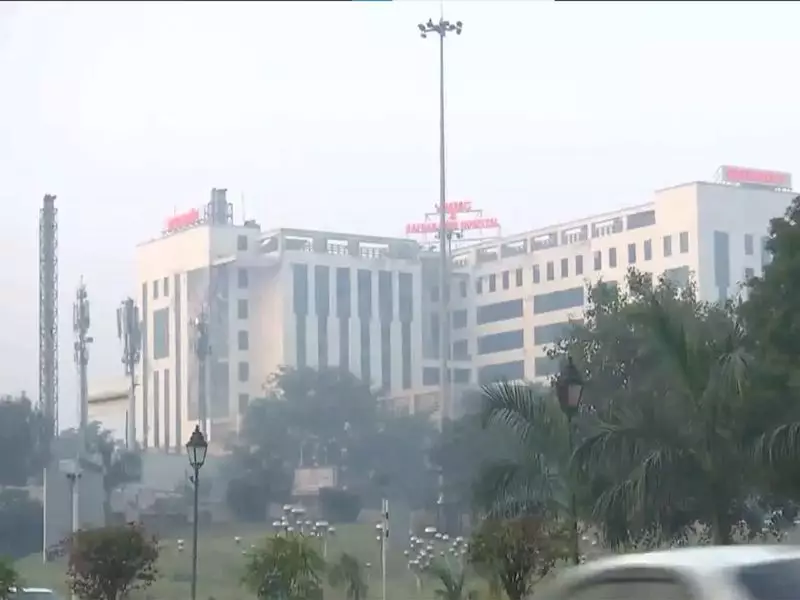
Delhi's air quality has taken a dangerous turn, plunging into the severe category across multiple monitoring stations. The national capital witnessed a significant deterioration in atmospheric conditions, with several areas recording Air Quality Index (AQI) values soaring above 400, according to the latest data from monitoring agencies.
Widespread Pollution Across Delhi
The alarming spike in pollution levels was recorded on Monday morning, painting a grim picture of Delhi's environmental health. Data from the Central Pollution Control Board (CPCB) revealed that several key areas crossed the 400 AQI mark, indicating severe air quality conditions that pose serious health risks to residents.
Among the worst-affected locations were Anand Vihar, which recorded a staggering AQI of 452, and Wazirpur at 426. Other areas including Alipur, DTU, and Shadipur also showed concerning readings well into the severe category. The comprehensive data clearly indicates that this is not an isolated incident but a widespread environmental crisis affecting multiple regions of the capital.

Monitoring Agencies Sound Alarm
Both the Central Pollution Control Board and the Delhi Pollution Control Committee have been closely monitoring the situation as pollution levels continue their upward trajectory. The severe category classification comes with specific warnings for vulnerable groups, including children, elderly citizens, and individuals with pre-existing respiratory conditions.
Meteorological conditions have played a significant role in the current air quality crisis. The combination of low wind speeds, dropping temperatures, and increased moisture in the air has created perfect conditions for pollutants to accumulate and remain suspended in the atmosphere. This meteorological phenomenon has essentially trapped pollutants close to the ground level, preventing their dispersion.
Implications and Health Concerns
The severe air quality levels present substantial health hazards for Delhi's approximately 20 million residents. Medical experts have warned that exposure to such high pollution levels can lead to immediate health effects including breathing difficulties, throat irritation, and coughing. Long-term exposure increases the risk of developing chronic respiratory diseases and cardiovascular problems.
Authorities have recommended that people avoid outdoor activities, especially during morning and evening hours when pollution concentrations tend to peak. Schools have been advised to limit outdoor sports and physical education classes, while employers have been urged to consider flexible work arrangements to minimize employees' exposure to the polluted air.
The current situation underscores the urgent need for comprehensive and sustained measures to address Delhi's perennial air pollution problem. As winter approaches, conditions are expected to become even more challenging, requiring coordinated efforts between government agencies, environmental experts, and the public to mitigate the impacts of this annual environmental crisis.






