

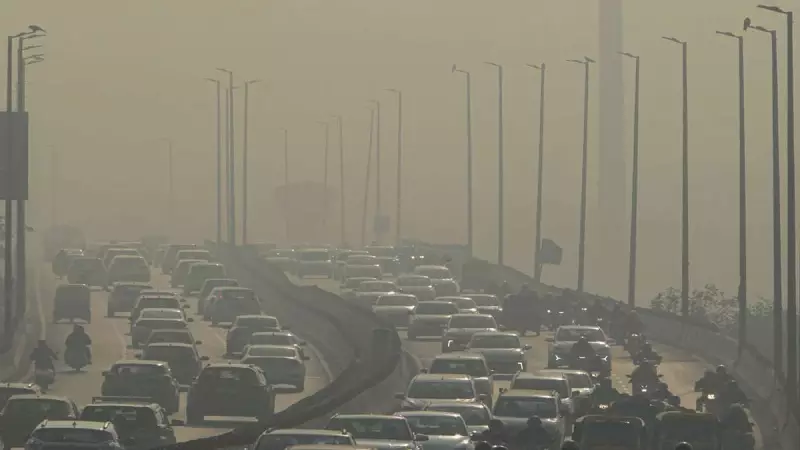
Delhi residents woke up to another day of hazardous air quality as the capital's Air Quality Index (AQI) surged to 384 on Thursday, firmly placing it in the 'very poor' category. The deteriorating conditions have prompted urgent calls for action from the highest levels of the Delhi government.
Government Response to Pollution Crisis
Chief Minister Arvind Kejriwal has taken a significant step by demanding a reduction in the Goods and Services Tax (GST) imposed on air purifiers. This move comes as citizens struggle to protect themselves from the dangerous pollution levels that have become a recurring winter phenomenon in the national capital.
The current situation represents a serious public health emergency, with the AQI reading of 384 indicating conditions that can cause respiratory illness upon prolonged exposure. The timing coincides with the onset of winter, which typically brings temperature inversion and stagnant winds that trap pollutants close to the ground.

Understanding the AQI Scale and Health Implications
An Air Quality Index reading between 301 and 400 is classified as 'very poor' according to Indian standards. At this level, people with respiratory or heart diseases, the elderly, and children are particularly vulnerable. Health experts recommend that all residents limit outdoor activities and that vulnerable groups take extra precautions.
The persistent smog covering the city has reduced visibility and created a palpable sense of concern among Delhi's approximately 20 million inhabitants. Many residents have reported experiencing breathing difficulties, eye irritation, and throat discomfort.
Economic Implications and Proposed Solutions
Chief Minister Kejriwal's demand for a GST cut on air purifiers addresses the financial burden these essential devices place on households. With air purifiers becoming a necessity rather than a luxury, the tax reduction could make them more accessible to middle and lower-income families who are disproportionately affected by pollution.
The current situation underscores the need for both immediate relief measures and long-term solutions to Delhi's air pollution problem. While the GST reduction on air purifiers would provide some respite, environmental experts emphasize that addressing the root causes of pollution remains critical.
As Delhi continues to grapple with its annual air quality crisis, the state government's proposal highlights the growing recognition that economic policies must adapt to environmental challenges. The coming days will reveal whether this tax relief measure receives the necessary approvals and how quickly it can be implemented to help citizens breathe easier.






