

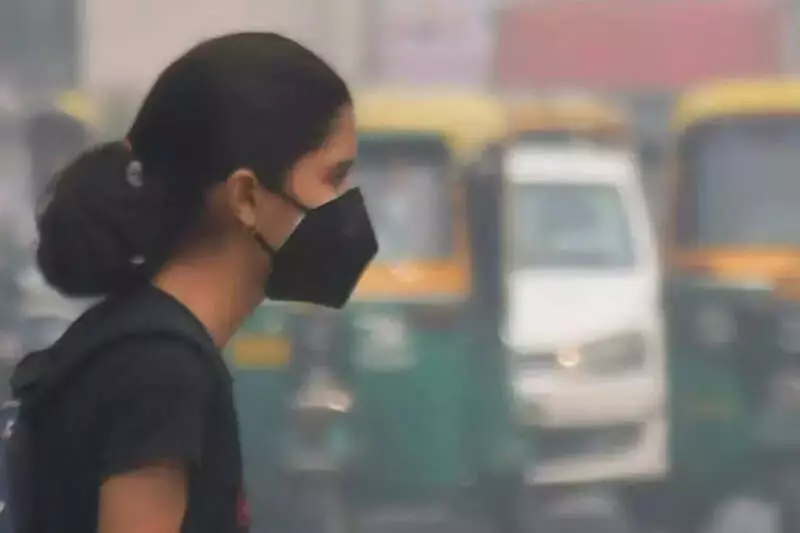
In response to the escalating public health emergency triggered by severe air pollution, the Delhi government has initiated a major overhaul of its medical preparedness. The administration is fast-tracking upgrades across its healthcare network to ensure citizens suffering from pollution-related ailments receive prompt and effective treatment.
Hospitals on High Alert with Enhanced Infrastructure
Government hospitals across the national capital have received explicit directives to maintain robust stocks of essential medicines and to deploy specialist doctors. Dedicated arrangements are being put in place specifically to manage the influx of cases linked to deteriorating air quality, such as asthma and various breathing disorders.
Emergency response systems have been fortified to handle sudden surges in patient numbers during periods of intense pollution. Health Minister Pankaj Kumar Singh emphasized the government's two-pronged approach. "While we are working to reduce pollution at the source, strengthening our healthcare delivery is equally critical. Clean air and strong public health systems must go hand in hand," he stated, affirming that affordable and timely medical care remains a top priority.

Ayushman Bharat Expansion and Diagnostic Push
A cornerstone of this enhanced strategy is the full-fledged rollout of the Ayushman Bharat health scheme in Delhi. This initiative has already provided substantial financial relief, with over ₹28 crore disbursed for treatments, significantly aiding economically vulnerable patients.
Primary healthcare access is being dramatically expanded through Ayushman Arogya Mandirs. Currently, 238 of these centres are operational, and plans are underway to launch more than 200 additional centres within the next two months. These facilities offer free medicines and over 90 types of diagnostic tests, which helps reduce the burden on larger tertiary care hospitals.
To further bridge critical diagnostic gaps, the government has approved the installation of 12 new MRI machines and 24 CT scan machines in state-run hospitals. This move is aimed at drastically cutting waiting times and decreasing dependence on expensive private diagnostic services.
Proactive Screening and Quality Assurance
Beyond immediate crisis management, the health department has intensified screening drives for diseases like tuberculosis, cervical cancer, and anaemia. Officials report that over 75,000 screenings have been conducted already, facilitating early detection and timely intervention.
Parallel infrastructure upgrades, including hospital renovations and the construction of new blocks, are in progress. Furthermore, surveillance mechanisms have been tightened across the supply chain to enforce a zero-tolerance policy towards counterfeit medicines, ensuring patient safety.
Collectively, these initiatives represent an integrated public health strategy. By combining direct pollution control measures with a significant strengthening of the healthcare system, the Delhi government aims to better safeguard its residents against the annual environmental challenge.






