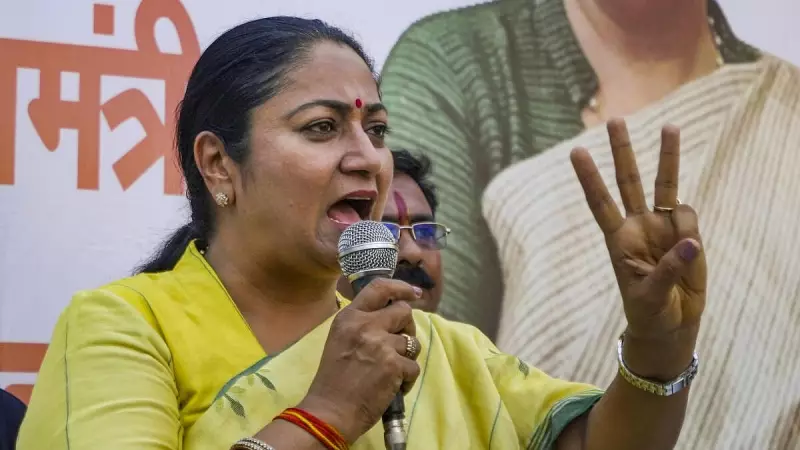
Delhi's battle against toxic air cannot be confined to the winter months alone and requires a persistent, year-round strategy, Chief Minister Rekha Gupta asserted in the state assembly. Highlighting a critical shift in perspective, she emphasized that only continuous, coordinated action by various agencies can lead to a significant reduction in pollution levels.
A Call for Sustained Action Beyond Seasonal Measures
Addressing the Winter Session of the Delhi Assembly on January 9, 2026, during a debate on pollution, Chief Minister Rekha Gupta presented a stark reality check. She moved the discourse beyond the annual winter smog, framing air pollution as a persistent public health emergency that demands attention across all seasons.
The Chief Minister stated that pollution levels will see a meaningful decline only after multiple agencies commit to working in the field throughout the entire year. This statement underscores a fundamental critique of the current approach, which often sees intensified efforts only when visibility drops and air quality indices hit severe categories during winter.
The Need for Coordinated, Annual Efforts
Gupta's remarks point to a systemic issue in pollution management, where different bodies may work in silos or ramp up action sporadically. Her call for yearlong efforts implies a need for:
- Continuous monitoring and enforcement of regulations on construction, industrial emissions, and waste management.
- Persistent infrastructure development and maintenance to support public transport and green alternatives.
- Ongoing cross-agency coordination to ensure policies are implemented seamlessly without seasonal lapses.
This approach recognizes that sources of pollution, from dust and vehicular emissions to industrial output, are active contributors to Delhi's poor air quality beyond the cold months, even if meteorological conditions in winter exacerbate their impact.
Implications for Policy and Public Health
The Chief Minister's intervention during the Winter Session debate sets a new benchmark for accountability and planning. It shifts the goalposts from crisis management to sustained mitigation. For citizens, this signals a potential move towards more consistent policies and cleaner air as a permanent right, not just a seasonal hope.
The acknowledgment that the problem is perennial is the first step toward designing solutions that are equally enduring. The success of this vision now hinges on translating this call into a concrete, actionable roadmap with clear timelines and responsibilities for all involved agencies, making the fight against air pollution a relentless, 365-day mission for Delhi.