

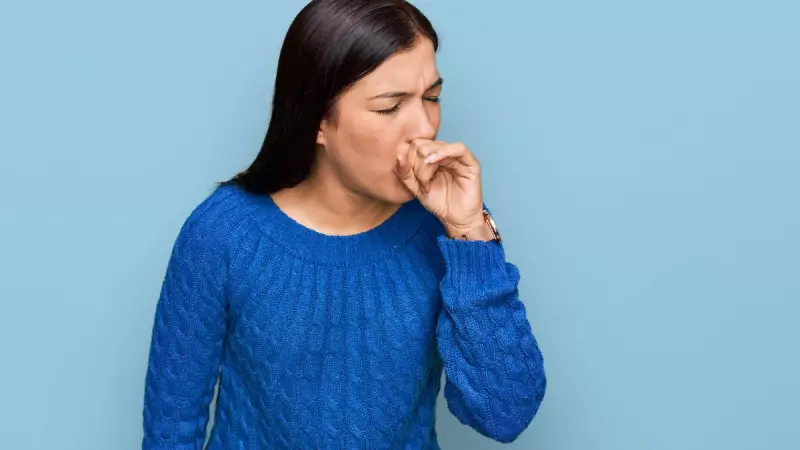
As winter tightens its grip and air quality plummets across many Indian cities, a familiar and troubling health complaint is on the rise: the persistent dry cough. Medical experts are increasingly linking this irritating condition directly to the polluted air we breathe, turning a common symptom into a widespread public health concern.
Understanding the Link Between Pollution and Dry Cough
The connection is alarmingly direct. When we inhale polluted air filled with particulate matter (PM2.5 and PM10), gases like nitrogen dioxide, and other irritants, these harmful substances invade our respiratory system. Dr. Arvind Kumar, a renowned chest surgeon, explains that these pollutants act as constant irritants to the lining of the throat and airways. This irritation triggers the body's natural defense mechanism—coughing—in an attempt to expel the foreign particles. However, since the irritants are a constant presence in the environment, the cough becomes chronic and non-productive, meaning no mucus is expelled.
This isn't just a minor annoyance. A persistent dry cough can be the first sign of more serious damage. Prolonged exposure to polluted air can lead to inflammation in the airways, reducing lung function over time and increasing vulnerability to respiratory infections like bronchitis and pneumonia. For individuals with pre-existing conditions such as asthma or COPD, the impact is even more severe, often leading to exacerbated symptoms and frequent attacks.

Key Symptoms and Warning Signs
How can you tell if your cough is related to air pollution? It's not just any cough. Medical professionals point to a specific set of characteristics that often define a pollution-induced dry cough. Recognizing these symptoms early is crucial for taking protective action.
The primary symptom is, of course, a cough that is dry, tickly, and doesn't produce phlegm. But other accompanying signs are common:
- A persistent itchy or sore feeling in the throat.
- A sensation of tightness or discomfort in the chest.
- Wheezing or shortness of breath, especially after minor physical exertion.
- Worsening of the cough when outdoors or in areas with high traffic.
- General fatigue and a feeling of being unwell, as the body works harder to cope with the irritation.
If your cough persists for more than three weeks, it is strongly advised to consult a doctor, as it could indicate underlying inflammation or the onset of a chronic respiratory condition.
Practical Steps for Protection and Prevention
While the scenario seems daunting, you are not powerless. Several effective strategies can significantly reduce your exposure to polluted air and mitigate its effects on your health. Adopting these habits is essential, especially for vulnerable groups like children, the elderly, and those with existing health issues.
First and foremost, monitor the Air Quality Index (AQI) daily. Limit prolonged outdoor activities, especially strenuous exercise like jogging or cycling, when the AQI is in the 'Poor,' 'Very Poor,' or 'Severe' categories. If you must go outside, wearing a good-quality N95 or N99 mask that fits snugly can filter out a significant percentage of harmful particulate matter.
Creating a clean air sanctuary at home is equally important. Use air purifiers with HEPA filters, especially in bedrooms. Keep windows closed during peak pollution hours but ventilate your home when the outdoor air quality improves. Incorporating certain indoor plants known for air-purifying qualities, such as snake plants or peace lilies, can also provide a minor boost.
Personal care plays a role too. Stay hydrated by drinking plenty of warm water throughout the day; this helps soothe the throat's lining. Simple home remedies like gargling with warm salt water or inhaling steam can provide immediate relief from irritation. A balanced diet rich in vitamins C and E, and antioxidants from fruits and vegetables, helps strengthen the body's immune response to inflammation.
The fight against air pollution and its health impacts requires both individual vigilance and collective action. While protecting yourself is critical, supporting and advocating for broader policy changes to improve air quality remains the long-term solution for the nation's respiratory health.






