Gastroenteritis Outbreak in Jajpur District Claims Two Lives
The death toll from a gastroenteritis outbreak in Jajpur district, Odisha, has risen to two with the recent death of another patient. The latest victim, identified as Bipin Sahoo, aged 34, passed away on Sunday morning at the community health centre in Dharamsala. This follows the death of Badal Mallick, 43, from Bausadola village, who succumbed to the illness on Wednesday night.
Health Crisis Linked to Contaminated Water Sources
Chief District Medical Officer (CDMO) of Jajpur, Bijay Kumar Mishra, confirmed that preliminary investigations point to gastroenteritis as the cause of death for both individuals. "We are awaiting the autopsy report for Bipin Sahoo to determine the exact cause, but symptoms align with gastroenteritis," Mishra stated. He added that approximately 12 people are currently undergoing treatment for the same condition at the Dharamsala health centre.
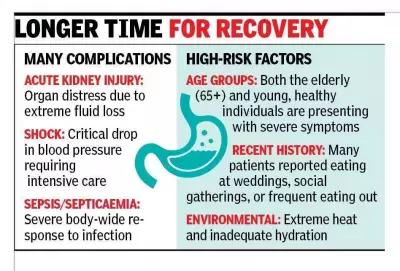
The outbreak is attributed to severely contaminated water tanks in affected villages. Most water storage tanks in these areas have not been cleaned for an extended period, forcing residents to consume polluted water. Unclean tanks serve as breeding grounds for pathogens like bacteria, viruses, and parasites, which trigger gastroenteritis—a condition marked by diarrhoea, vomiting, and abdominal pain.

Recurring Summer Menace and Official Response
This is not an isolated incident; last summer, 14 people in the district died from gastroenteritis, highlighting a recurring public health issue. In response, officials from the rural water supply and sanitation department were dispatched to affected villages on Sunday to clean numerous water tanks. "Water tanks should be professionally cleaned every six months to ensure safety," emphasized CDMO Mishra.
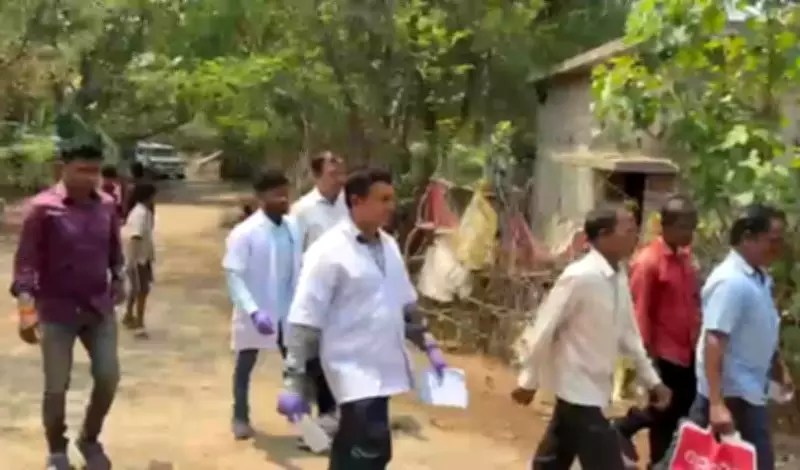
Preventive measures are underway, with medical teams and Asha workers conducting door-to-door visits to distribute ORS packets and zinc tablets. The CDMO stressed that controlling gastroenteritis requires a multi-faceted approach: providing safe drinking water, improving sanitation and hygiene, and ensuring proper nutrition. Hospitals have been stocked with sufficient medicines, and residents are advised to boil water before consumption and exercise caution with outside food and water.
Villagers Highlight Systemic Failures
Local residents have voiced concerns over systemic failures exacerbating the crisis. Rabindra Behera, a villager from Barakana, noted, "Gastroenteritis has become a recurring problem here in summer, with many exposed due to inadequate drinking water supply." Ramesh Rout from Bausadola alleged that erratic distribution of bleaching powder for water disinfection has compounded issues, forcing villagers to drink from polluted ponds and other unsafe sources.
An unnamed villager warned that the number of patients could increase if authorities fail to provide proper medicines and treatments promptly. The situation underscores the urgent need for sustained public health interventions to prevent future outbreaks.