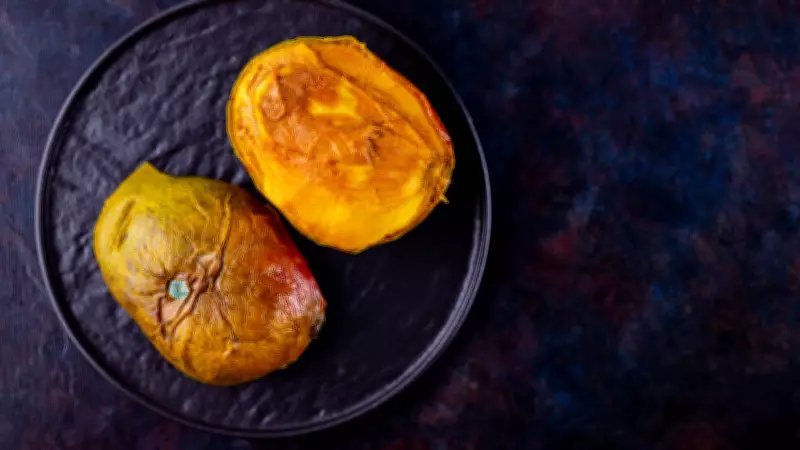
Mango season is synonymous with family gatherings, chilled juices, and the unmistakable sweetness of India's favorite summer fruit. However, a recent food safety crackdown in Gujarat has cast a shadow over that image. According to the Food Safety and Standards Authority of India (FSSAI), enforcement teams in Mehsana discovered a massive stock of mangoes intended for juice extraction that were heavily rotten, worm-eaten, and visibly infested with fungus and insects.
The seizure has sparked an uncomfortable but important question: What happens if someone unknowingly consumes juice made from such fruit? The thought alone is enough to make most people uneasy. Yet beyond the disgust factor lies a genuine public health concern. While not every accidental bite of contaminated fruit leads to serious illness, doctors say the body's reaction can vary from mild digestive discomfort to potentially dangerous infections in vulnerable individuals.
Why Worms in a Mango Are More Than Just an Unpleasant Sight
Many people assume that seeing a worm inside a fruit is the main problem. In reality, the worm itself may be only part of a much larger issue. The presence of worms indicates that the fruit has been damaged, overripe, poorly stored, or exposed to conditions that allow bacteria and fungi to thrive. Once the fruit's protective skin is breached, microorganisms can enter and multiply rapidly.

Dr. Deepak Ganga P, Senior Consultant in Medical Gastroenterology, Hepatology and Interventional Endoscopy at KIMS Hospitals, Mahadevapura, Bengaluru, explained, "The discovery of worm-infested and fungi-contaminated mangoes by food safety officials is a significant indicator of the dangers of eating bad fruit or fruit-based products. Eating a little bit of contaminated fruit by accident does not always cause you to be sick enough to go to the hospital, but spoiled fruit can carry harmful bacteria, fungi, and poison which can cause gastrointestinal illness such as food poisoning." In other words, the visible worm may simply be a warning sign of contamination that cannot be seen with the naked eye.
What Happens Inside the Body After Consuming Contaminated Mango Juice?
The digestive system is remarkably resilient. Stomach acid destroys many microbes before they can cause harm. However, when spoiled fruit contains large amounts of bacteria, fungal toxins, or contaminants, the body's defense mechanisms may not be enough. The first organ to react is usually the gastrointestinal tract.
Symptoms may begin within hours and can include nausea, vomiting, diarrhea, stomach cramps, bloating, abdominal pain, and general weakness. According to Dr. Ganga, "When someone eats a mango that is infested with worms, their symptoms can range in severity from mild stomach cramps to nausea, vomiting, diarrhea, and abdominal cramps; to very serious complications for vulnerable populations like children, the elderly, pregnant women, and people with weakened immune systems." The body's response is essentially an attempt to expel harmful substances as quickly as possible. Vomiting and diarrhea, though unpleasant, are often protective reactions designed to remove contaminants before they can cause greater damage.
The Hidden Threat: Bacteria, Fungi, and Toxins
Foodborne illness is not always caused by the worms themselves. Rotting fruit can become a breeding ground for bacteria and fungi that produce substances capable of irritating the digestive tract. Some fungi may also produce mycotoxins, compounds that can be harmful if consumed in significant quantities. The United States Food and Drug Administration notes that moldy foods can contain invisible fungal growth extending far beyond what can be seen on the surface, which is why visibly moldy produce should generally be discarded rather than trimmed and consumed.
Dr. Ganga highlighted another important concern: "The presence of worms within a fruit can also indicate that the fruit is spoiled and has been poorly stored, leading consumers to not only be concerned about the worms but also that the fruit could have been contaminated with bacteria." This is especially relevant in the case of commercial juice production, where large quantities of fruit may be blended together. Even if contamination is not visible in the final product, harmful microorganisms may still be present.

Why Children, Elderly People, and Those with Weak Immunity Face Greater Risks
For a healthy adult, accidentally consuming a small amount of contaminated fruit may result in temporary digestive upset and recovery within a few days. However, certain groups have less physiological reserve to cope with dehydration, infection, and toxin exposure. These include young children, older adults, pregnant women, people undergoing cancer treatment, organ transplant recipients, individuals with chronic illnesses, and those with weakened immune systems. In these populations, severe diarrhea and vomiting can quickly lead to dehydration and electrolyte imbalance. In rare cases, bacterial infections may become serious enough to require medical treatment or hospitalization. A report from the World Health Organization estimates that contaminated food causes hundreds of millions of illnesses globally every year, with children carrying a disproportionately high burden of foodborne disease. Experts say the answer depends on the extent of contamination, the microorganisms involved, and the health status of the person consuming it.
Can Processing or Juicing Remove the Risk?
One common misconception is that blending, pulping, or processing fruit automatically makes it safe. Unfortunately, that is not always true. If contaminated fruit enters the production chain, harmful bacteria may persist despite processing, particularly if hygiene standards are inadequate. Dr. Ganga cautioned, "Consumers should also be careful when consuming juice, pulp, and processed products made with fruit, as they may still contain harmful bacteria after processing, even if there is no way to see the contamination." This is why food safety experts place such importance on sourcing, storage, and quality checks before fruits ever reach the consumer. The recent FSSAI action demonstrates that food safety inspections play a crucial role in identifying unsafe products before they enter the market.
How Consumers Can Protect Themselves
While it is impossible to eliminate every food-related risk, a few habits can significantly reduce exposure to contaminated fruits. Dr. Ganga advised, "Discard any fruit that appears very soft, has mold or a bad odor, or shows evidence of insect infestation." He further added, "The incident highlighted how vital it is to check all fruits carefully before eating and also to purchase only from reputable suppliers who use safe food-handling techniques and maintain a clean facility. By rinsing fruits in running water, storing them properly, and never buying damaged or spoiled fruits, adults can greatly reduce their risk of getting sick from consuming contaminated food." Simple practices such as inspecting fruits before purchase, washing them under running water, refrigerating cut fruit, and avoiding produce with visible signs of spoilage can make a meaningful difference. Food safety often begins long before a meal reaches the plate. Sometimes, a closer look at a piece of fruit may be the easiest and most effective health check a person performs all day.
Medical experts consulted: This article includes expert inputs shared with TOI Health by Dr. Deepak Ganga P, Senior Consultant in Medical Gastroenterology, Hepatology and Interventional Endoscopy at KIMS Hospitals, Mahadevapura, Bengaluru. Inputs were used to explain how the body reacts after accidentally consuming worm-infested or spoiled mangoes, and why contaminated fruit can sometimes pose serious digestive health risks.
About the Author: Aadya Jha is a passionate writer and storyteller who crafts stories that enthrall readers. She explores the basic things with a passion for Lifestyle, illuminating the common.