

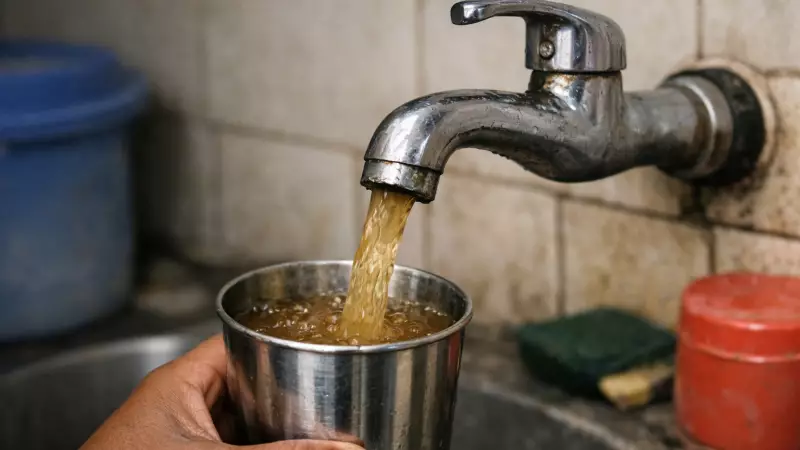
Delhi, India's bustling capital, is sitting on a ticking time bomb of a water crisis, with its sprawling network of pipelines crumbling due to age. The specter of waterborne diseases and supply disruptions hangs over the city, prompting officials and citizens to ask: could Delhi be the next Indore?
The Alarming State of Delhi's Water Network
Data presented in the legislative assembly on Friday, January 10, 2026, paints a grim picture of the city's water infrastructure. The heart of the problem lies in the ageing pipes that snake beneath Delhi's streets. City Water Minister Parvesh Verma delivered a stark revelation to the House: over 5,200 kilometers of pipelines, which is about 32.5% of the total network, are more than 30 years old.
The situation gets worse when considering slightly 'younger' pipes. Another 2,700 kilometers, or nearly 17% of the network, falls in the 20 to 30 years old bracket. When combined, this means that close to half of Delhi's entire water pipeline system has exceeded its optimal operational lifespan. This sprawling network, stretching an immense 16,000 kilometers, is now fundamentally compromised.

Structural Failures Leading to Daily Crises
This advanced age of the infrastructure is not just a statistical concern; it translates directly into daily hardships and health risks for millions of residents. The outdated pipelines are the root cause of several chronic issues:
- Frequent Pipe Bursts: Weakened and corroded pipes frequently burst, leading to massive water wastage and disrupting supply to entire neighborhoods.
- Contamination Threats: Cracks and leaks in old pipes allow sewage and other pollutants to seep into the drinking water supply, posing a severe public health hazard.
- Unreliable Supply: The structural weaknesses lead to inconsistent water pressure and regular supply disruptions, making daily life unpredictable for households and businesses alike.
These are not isolated incidents but structural problems embedded in the very veins of the city's water distribution system.
Lessons from Indore and the Path Ahead
The mention of Indore in the context of contaminated water serves as a dire warning. Outbreaks linked to poor water quality in other cities highlight the potential catastrophe Delhi could face if preemptive action is not taken. The data presented by Minister Verma is a clear call to action for the city's administration.
Addressing this crisis requires a massive, coordinated effort to replace and modernize hundreds of kilometers of pipeline. It demands significant investment and strategic planning to ensure that the capital's water supply is safe, clean, and reliable for its growing population. The time to act is now, before the structural failures lead to a full-blown public health emergency.






