

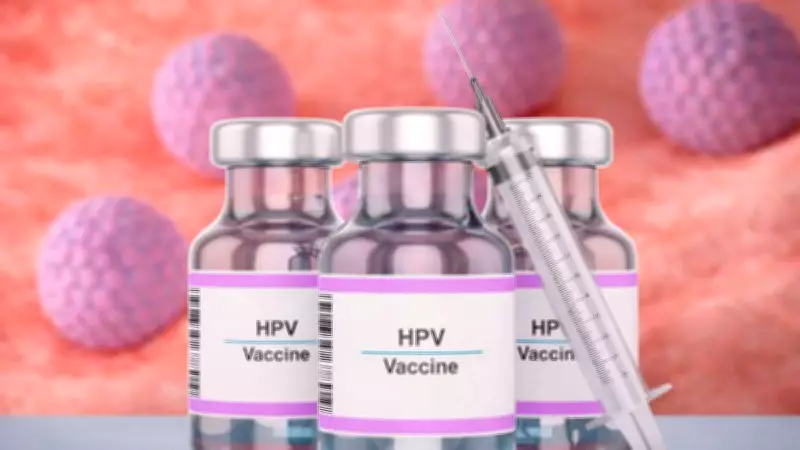
HPV Vaccine Gardasil in India: A Comprehensive Expert Guide to Cervical Cancer Prevention by 2026
India is embarking on a significant public health initiative to combat cervical cancer through the widespread introduction of the HPV vaccine Gardasil, with a target to achieve substantial prevention by 2026. This move aims to address the high burden of cervical cancer in the country, which is one of the leading causes of cancer-related deaths among women. Experts emphasize that vaccination is a critical tool in this fight, offering long-term protection against human papillomavirus (HPV) infections that can lead to cervical cancer.
Understanding the HPV Vaccine and Its Role in India
The HPV vaccine, specifically Gardasil, is designed to protect against certain strains of the human papillomavirus that are most commonly associated with cervical cancer. In India, where cervical cancer accounts for a significant portion of cancer cases in women, the introduction of this vaccine is seen as a game-changer. Health authorities are working to integrate it into national immunization programs, targeting adolescent girls and young women to build herd immunity and reduce future cancer rates.
Key benefits of the HPV vaccine include:

- Prevention of HPV infections that can cause cervical cancer.
- Reduction in the incidence of precancerous lesions and related health complications.
- Contribution to public health goals by lowering healthcare costs and improving women's health outcomes.
Expert Insights on Vaccination Strategies and Implementation
Experts highlight that successful implementation requires a multi-faceted approach. This involves public awareness campaigns to educate communities about the importance of vaccination, training healthcare workers to administer the vaccine effectively, and ensuring equitable access across urban and rural areas. By 2026, the goal is to have a robust vaccination framework in place, potentially including school-based programs and community health drives to reach a wide demographic.
Challenges such as vaccine hesitancy, logistical issues in remote regions, and funding constraints must be addressed to meet the 2026 target. Experts recommend leveraging existing health infrastructure, collaborating with non-governmental organizations, and using digital tools for tracking and monitoring vaccination coverage.
The Path Forward: Achieving Cervical Cancer Prevention Goals
Looking ahead, India's focus on the HPV vaccine Gardasil aligns with global efforts to eliminate cervical cancer as a public health problem. By prioritizing vaccination, along with regular screening and early detection, the country can make significant strides in reducing mortality rates. Continuous evaluation and adaptation of strategies will be essential to overcome obstacles and ensure that the benefits of vaccination are realized for all women in India.






