

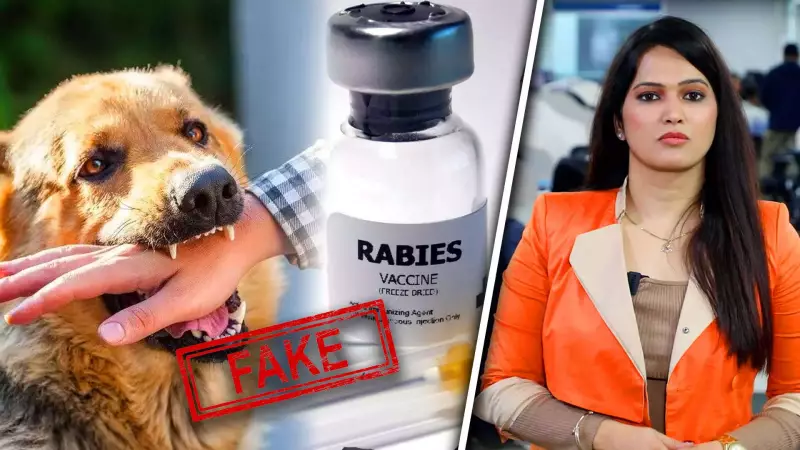
Health authorities from the United States, the United Kingdom, and Australia have raised serious concerns over the circulation of counterfeit doses of a widely used Indian rabies vaccine. The coordinated advisories, issued to travelers and health professionals, warn that individuals vaccinated since late 2023 may not be fully protected against the deadly disease.
Global Advisories Target Indian-Made Vaccine
The international health alerts specifically focus on Abhayrab, a rabies vaccine manufactured in India and extensively used within the country. The warnings indicate that some batches of the vaccine circulating in the market may be fake, potentially leaving recipients vulnerable. The alerts were made public on December 29, 2025, triggering anxiety among international travelers who have recently visited India and local health officials managing rabies prevention.
Indian Manufacturer Firmly Rejects Allegations
In a strong pushback, the Indian vaccine producer has dismissed suggestions of a failure in the quality of its genuine product. The company labeled the international warnings as overly cautious, clarifying that the issue is confined to a single counterfeit batch that entered the supply chain. Officials stressed that their authentic vaccines meet all required safety and efficacy standards and that the problem lies with criminal counterfeiting, not manufacturing quality.

The situation presents a significant public relations and health challenge for Indian authorities. On one hand, they must aggressively combat the illegal trade in fake medicines. On the other, they must work to maintain public confidence in vaccination programs. Rabies remains an endemic and fatal disease in India, making high vaccine uptake critically important.
Risk of Eroding Public Trust in Vaccines
Health experts within India are expressing concern that mixed or unclear messaging around this incident could inadvertently undermine trust in vaccines broadly. In a country where vaccine hesitancy can be a persistent issue, ensuring clear communication about the safety of genuine products is paramount. The incident has drawn global scrutiny to India's pharmaceutical supply chain and its mechanisms for preventing drug counterfeiting.
The coming weeks will be crucial for Indian health regulators. They face the dual task of investigating the counterfeit network to prevent further distribution of fake doses, while simultaneously reassuring both domestic and international communities about the robustness of its vaccine quality control. The outcome will impact not just rabies prevention but also the global perception of India's role as a major supplier of essential medicines.






