

India's Dog Bite Crisis: A Deep Dive into Healthcare Gaps
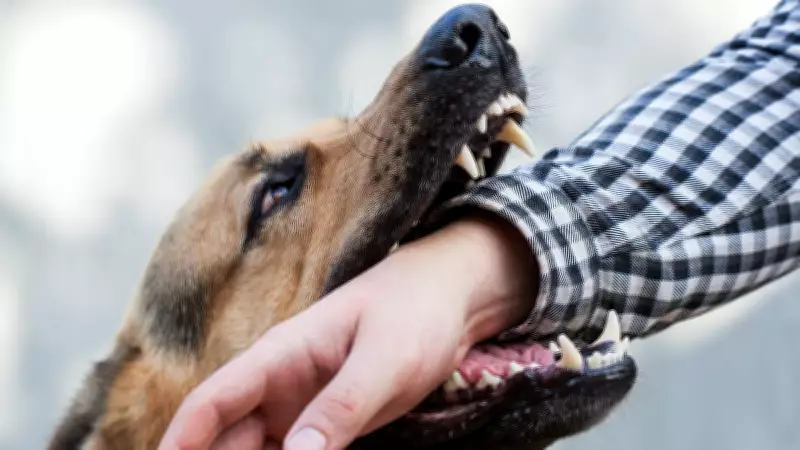
A recent study has shed light on a critical public health issue in India, revealing alarming gaps in the management of dog bite cases. The research indicates that while nearly 80 per cent of healthcare facilities across the country store rabies vaccines, a mere 20 per cent maintain a stock of immunoglobulins. This disparity is contributing to a growing crisis characterized by skipped first aid, delayed treatment, and exorbitant costs for patients.
The Stark Reality of Vaccine and Immunoglobulin Availability
The findings highlight a significant imbalance in India's preparedness to handle dog bite incidents. Rabies vaccines, which are essential for preventing the fatal disease, are relatively accessible in most healthcare settings. However, immunoglobulins—crucial for immediate post-exposure prophylaxis, especially in severe bites—are in critically short supply. This shortage forces many patients to forgo proper first aid or seek expensive alternatives, exacerbating health risks and financial burdens.
Consequences of Inadequate Treatment Protocols
The lack of immunoglobins has dire implications. Patients often face delays in receiving comprehensive treatment, increasing the likelihood of rabies infection. Moreover, the high cost of available immunoglobulins makes them unaffordable for many, leading to skipped doses or incomplete regimens. This situation is compounded by inadequate public awareness and infrastructure, making dog bites a pressing health emergency that demands urgent attention from authorities.

Call for Action and Improved Healthcare Strategies
Experts urge immediate measures to address this crisis, including boosting immunoglobulin stocks, enhancing training for healthcare workers, and launching public awareness campaigns. Strengthening policies and ensuring equitable access to affordable treatments are vital steps to mitigate the risks associated with dog bites and prevent unnecessary fatalities in India.






