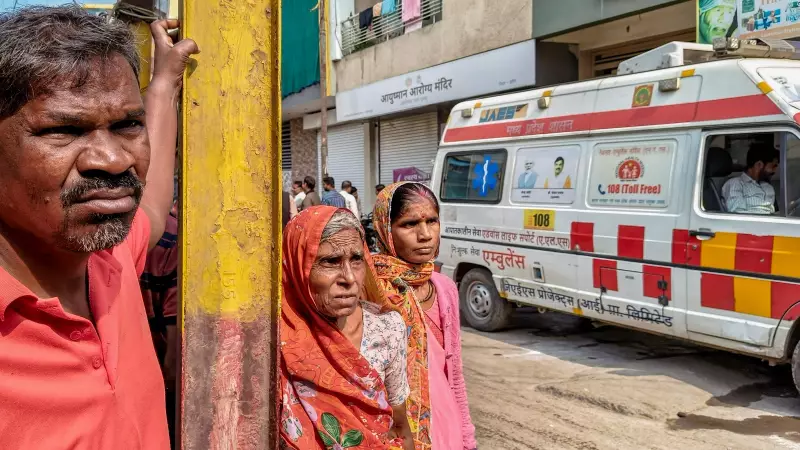
A severe public health crisis triggered by contaminated drinking water has laid bare the crumbling civic infrastructure in Indore, a city repeatedly crowned as India's cleanest. What began as a trickle of six patients at the Urban Primary Health Centre in Bhagirathpura on December 28, 2025, exploded into a deluge within 48 hours, overwhelming the city's medical facilities and exposing fatal systemic failures.
The Unfolding Deluge and a Massive Response
By December 31, daily outpatient visits at the Bhagirathpura health centre had skyrocketed to 310 from a stable average of around 100 just days before. The cause was a deadly mix of sewage and drinking water due to a leaking pipeline, a problem residents had reportedly flagged since October. The administration's acknowledgment came only after the first deaths.
In response, health authorities mobilized an army of workers. Within a week, they conducted a staggering 66,107 screenings across nearly 13,000 households in a frantic door-to-door operation to contain the outbreak. Symptoms ranged from mild diarrhoea to complete renal failure, with the crisis disproportionately affecting vulnerable populations.

A Health System Under Siege
The initial chaos was compounded by the area's inadequate medical infrastructure. As panic spread, many residents first sought help at small private clinics and nursing homes ill-equipped for the crisis. Dr. Nitin Ojha, deployed to monitor the East zone, highlighted the critical gap. "Many of these small facilities lacked specialists... The staff were not trained in handling fluid treatments and dehydration measures," he explained.
This lack of specialized care proved deadly for patients with existing conditions. Dr. Omesh Nandwar, overseeing the West zone, noted a disturbing pattern: 95% of the patients in many hospitals were women, with 70-80% of them suffering renal shutdown. The health department's data revealed the scale: 310 total hospital admissions since December 24, with 203 still hospitalized, 107 discharged, and 25 in intensive care as of early January.
The youngest victim was just six months old. Dr. Sachin Garg, a paediatrician on a 12-hour shift, emphasized the rapid severity in children. "The main issue in this area is that it is a highly congested neighbourhood, and access to healthcare is very bad," he stated.
Coordination and the Human Cost
As the system scrambled to respond, protocols were hastily drawn. Dr. Abhishek Nigam, managing three hospitals, outlined the standard treatment for symptoms like loose stool and abdominal pain: fluids, painkillers, and antibiotics. However, for complex cases with comorbidities like diabetes and hypertension, multidisciplinary teams were essential. "Specialists were the need of the hour," Dr. Nigam affirmed.
Behind the statistics were countless workers like Vinod Neem, 59, a health official who joined door-to-door screening teams. Leaving home at 6 am daily, his team would screen families for signs of dehydration, a process taking about 10 minutes per household. This massive effort led to the distribution of thousands of ORS packets, Dicyclomine, and zinc tablets by the health department.
The official confirmation came from Chief Medical and Health Officer Dr. Madhav Prasad Hasani, who stated that lab tests confirmed the drinking water was contaminated due to a pipeline leakage. The crisis has prompted judicial intervention, with the High Court ordering immediate supply of clean drinking water, underscoring the profound failure in upholding the city's famed cleanliness and management standards.