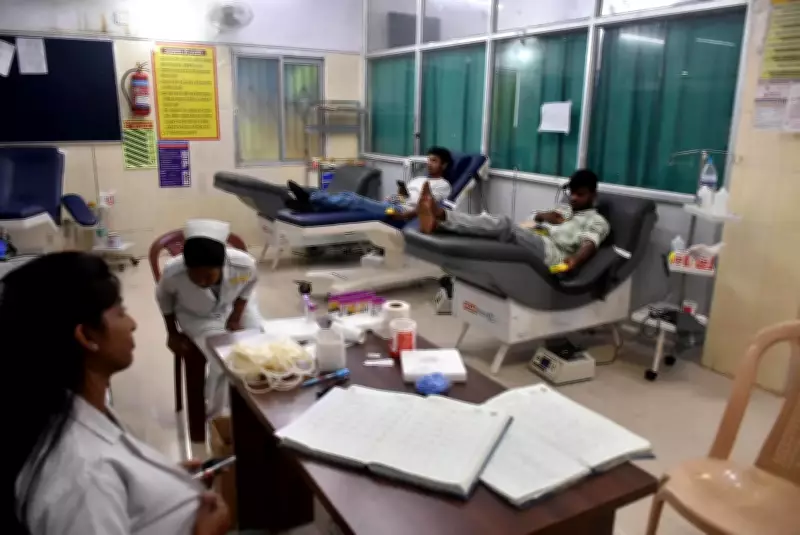
The state department of health, medical education and family welfare in Jharkhand is set to engage a specialized agency for strengthening, operating, and managing blood banks across the state. This decision comes amid persistent concerns over the poor condition and functioning of blood banks in various parts of Jharkhand. Reports of blood unit shortages, mismanagement, and operational lapses have surfaced repeatedly, causing difficulties for patients and their families who rely on timely blood availability during medical emergencies.
Role of the Agency
Additional Chief Secretary of Health, Ajoy Kumar Singh, stated that the agency will be responsible for organizing blood donation camps throughout the state and ensuring the collected blood is delivered to blood banks. "Due to manpower constraints, government blood banks in the state could not organize blood donation camps, leading to blood shortages. With the discontinuation of the replacement blood system, the challenge of blood collection has intensified. Blood collection now relies solely on voluntary donations and camps. The agency will undertake this work for the department to ensure continuous blood availability at the banks," Singh explained.
Blood Requirement and Shortages
The state requires between 1.5 lakh and 2 lakh units of blood annually. However, blood banks frequently face shortages, putting patients at risk. The agency's intervention aims to stabilize blood supply and improve management.

Tender Process
Department sources indicate that the agency selection process is currently in the tender evaluation stage. Following the tendering process initiated in April, five bidders have qualified, and their bids are under evaluation.
Recent Controversies
Jharkhand's blood bank system has been embroiled in controversy recently. In October last year, five children with thalassaemia contracted HIV after receiving blood transfusions at Chaibasa Sadar Hospital in West Singhbhum district. In December last year, the Jharkhand High Court directed the state government to ensure that blood is provided to patients without requiring a replacement donor. A division bench of the High Court ordered the health department to ensure voluntary blood provision, ending the earlier practice of requiring a unit of blood in return.