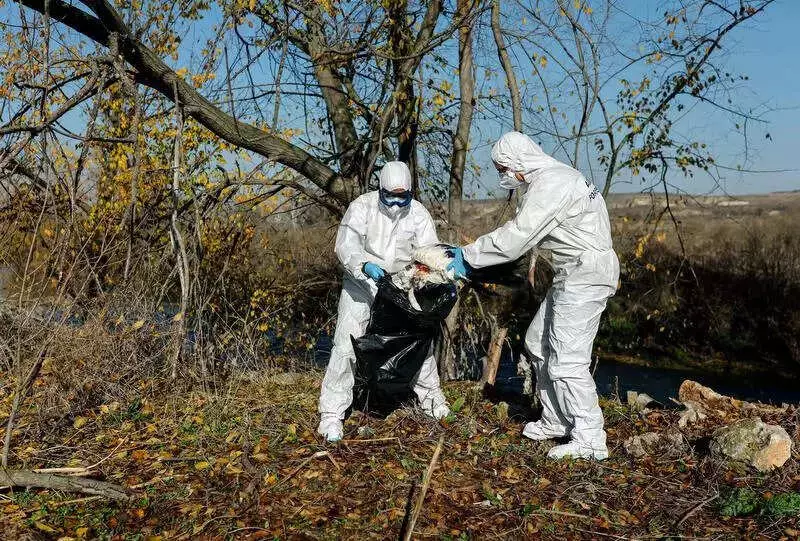
Health authorities in Kerala have confirmed outbreaks of the highly pathogenic H5N1 avian influenza, commonly known as bird flu, across multiple locations in Alappuzha and Kottayam districts. The confirmation has triggered a large-scale preventive response, including the planned culling of more than 30,000 domestic birds to contain the virus's spread.
Widespread Infection Across Panchayats
In Alappuzha district, the virus has been detected in eight panchayats: Thakazhi, Karthikappally, Karuvatta, Punnapra South, Purakkad, Cheruthana, Nedumudi, and Ambalapuzha South. Following an emergency meeting chaired by District Collector Alex Varghese, officials decided to implement strict measures as per the Union Government's 2021 Bird Flu Prevention and Control Action Plan.
The Animal Husbandry Department, with support from local bodies, has formed rapid response teams. Their immediate task is to cull approximately 20,000 birds within a one-kilometer radius of each identified outbreak center.

Kottayam Grapples with Farm Losses
The situation is equally severe in Kottayam, where infection was found in Ward numbers 37 and 38 of the municipality and in Ward number 5 of the Manjoor panchayat. A meeting led by District Collector Chetankumar Meena resolved to intensify all preventive actions.
The toll on poultry has been devastating. Around 3,500 birds died in a broiler farm in Ward 37, while an entire flock of 6,500 poultry was wiped out in a farm in Ward 38. Additionally, about 1,000 quails perished at a farm in Veloor. Authorities have mandated the culling of all infected birds and other domestic birds within a one-kilometer radius, which includes nearly 6,000 birds in the immediate vicinity, bringing the total to around 12,000 in Kottayam alone.
Ministerial Directives and Public Safety
State Health Minister Veena George convened a high-level meeting, stressing that "vigilance should be maintained at the field level" and that everyone must follow the health department's guidelines meticulously.
Animal Husbandry Minister J Chinchu Rani provided crucial clarity for consumers. She stated that no restrictions have been placed on eating poultry products at this stage. "However, after further analysis, if required, steps such as restriction on the consumption of poultry meat will be announced," she added. The minister advised that meat from birds in non-infected areas is safe to eat if cooked thoroughly, and eggs should be fully boiled, avoiding half-boiled preparations.
Bird flu is a viral disease primarily affecting birds but with zoonotic potential to infect humans. It can impact all bird species, including chickens, ducks, quails, geese, and turkeys. Officials have warned individuals in close contact with birds—such as caregivers and farm workers—to exercise extreme caution.
Key symptoms in birds include:
- Excessive feather loss and reduced egg production.
- Lethargy, loss of appetite, and difficulty walking.
- Blue discoloration of combs, wattles, and legs.
- Swelling of the head and eyes, nasal discharge, and respiratory distress.
- Diarrhea and pinpoint bleeding under the skin.
The district collectors have appealed to the public to remain alert and immediately report any unusual mass deaths of birds to the nearest veterinary hospital. When handling dead birds, people should wear protective gear like masks and gloves. Carcasses must be buried in deep pits with disinfectants like lime and bleaching powder. Poultry farms are urged to enforce strict biosecurity protocols.
The disease is often spread by migratory and seabirds, with symptoms appearing 3 to 5 days after infection, frequently leading to high mortality rates in flocks. The state machinery is now fully engaged in containing this outbreak and preventing its transmission to humans.