

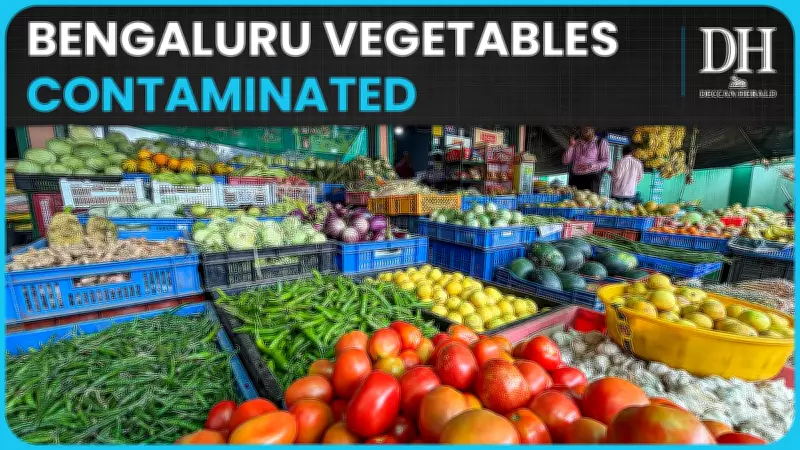
Bengaluru Faces Lead Contamination Crisis in Vegetables
A recent study conducted by the Central Pollution Control Board (CPCB) has uncovered a disturbing trend in Bengaluru's food supply. The research indicates that 26% of vegetable samples collected from the city are contaminated with lead, a toxic heavy metal. This finding raises significant public health alarms and points to deeper environmental issues affecting urban agriculture and food safety.
Details of the CPCB Study and Its Findings
The CPCB investigation involved extensive sampling of vegetables from various markets and farms across Bengaluru. The analysis revealed that more than a quarter of the samples contained lead levels exceeding safe limits. This contamination is attributed to multiple factors, including industrial pollution, vehicular emissions, and the use of contaminated water for irrigation. The study highlights how urban pollution is directly impacting the food chain, posing risks to consumers who rely on these vegetables for daily nutrition.
Health Implications and Risks for Residents
Lead exposure is known to cause severe health problems, particularly in children and pregnant women. Chronic ingestion of lead-contaminated vegetables can lead to neurological damage, developmental delays, and cardiovascular issues. The CPCB report underscores the urgent need for regulatory measures to monitor and reduce lead levels in food products. Public health experts warn that without immediate action, Bengaluru's residents could face long-term health consequences, exacerbating the city's healthcare burden.

Environmental and Agricultural Factors Contributing to Contamination
The contamination is linked to Bengaluru's rapid urbanization and industrial growth. Sources of lead include:
- Industrial waste: Discharge from factories contaminates soil and water.
- Traffic pollution: Vehicle emissions deposit lead onto crops.
- Irrigation practices: Use of polluted water in farming.
- Soil degradation: Accumulation of heavy metals over time.
These factors combine to create a toxic environment for vegetable cultivation, necessitating stricter environmental controls and sustainable farming practices.
Response and Recommendations from Authorities
In response to the findings, the CPCB has called for enhanced monitoring of vegetable quality and stricter enforcement of pollution norms. Recommendations include:
- Regular testing of vegetables in markets.
- Implementation of cleaner irrigation methods.
- Public awareness campaigns on food safety.
- Collaboration with local farmers to reduce contamination sources.
Authorities emphasize that addressing this issue requires a multi-faceted approach involving government agencies, farmers, and consumers to ensure a safer food supply.
Broader Implications for Urban Food Security
This contamination crisis extends beyond health concerns, affecting Bengaluru's food security and economic stability. With a growing population dependent on local produce, ensuring the safety of vegetables is crucial. The study serves as a wake-up call for other Indian cities facing similar pollution challenges, highlighting the need for nationwide food safety reforms and environmental protection measures to safeguard public health.






