

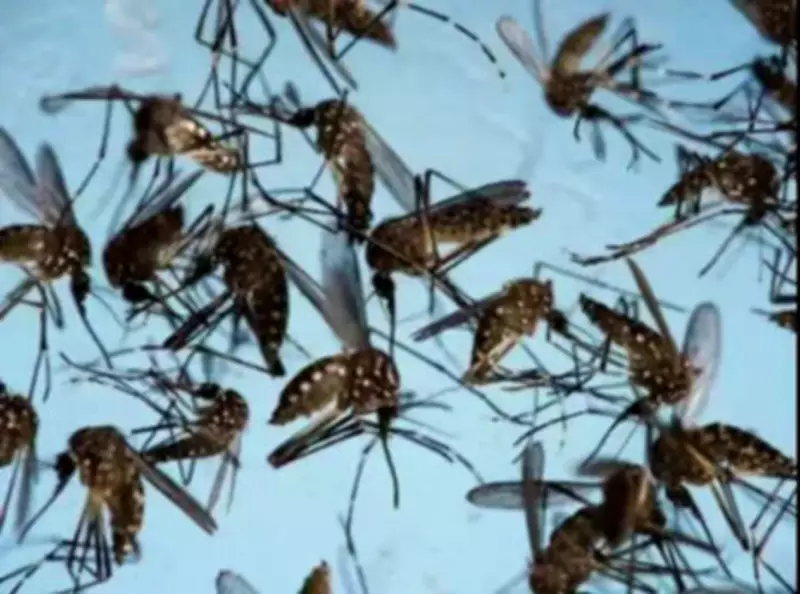
The Madras High Court has directed the Greater Chennai Corporation (GCC) and the Tamil Nadu health department to conduct a comprehensive survey across the state within four weeks to identify hotspots of water stagnation and mosquito breeding. The order was issued by the first bench comprising Chief Justice Sushrut Arvind Dharmadhikari and Justice G Arul Murugan.
Key Directions for GCC and Health Department
The court instructed the GCC to ensure regular cleaning of drains, desilting of sewers, and fogging operations, particularly in high-risk zones. A schedule of these activities must be published on the corporation's official website to ensure transparency.
Additionally, the state government has been directed to establish a dedicated grievance redressal mechanism, such as a helpline number, within one month. Citizens can report instances of water stagnation or lack of fogging through this mechanism, and complaints must be addressed within 48 hours. The health department shall also launch a widespread awareness campaign through print, electronic, and social media to educate the public on preventing vector-borne diseases.

Role of Citizens in Public Health
The bench highlighted the constitutional duty of every citizen under Article 51A(g) to prevent the creation of breeding grounds within their premises. Residents must ensure that water does not stagnate in flowerpots, coolers, rooftops, or discarded containers. Negligence in private spaces leads to public health crises, the court observed.
Citizens are duty-bound to cooperate with municipal workers during inspection and fogging drives. Denial of access to premises for inspection or anti-larval measures is a dereliction of constitutional duty, the court added.
The court also urged citizens to utilize the grievance mechanism established by the state to report defaulters and public health hazards, thereby assisting the administration in its duties.
Background of the Order
The order was passed on a plea filed by G Vijayaraja, seeking directions to the GCC to take action for the removal of stagnant water, desilting, and cleaning of stormwater drains. The court's directives aim to curb the spread of vector-borne diseases like dengue and malaria in the state.






