

Maharashtra's Intensive Sickle Cell Campaign Uncovers Thousands of Hidden Cases
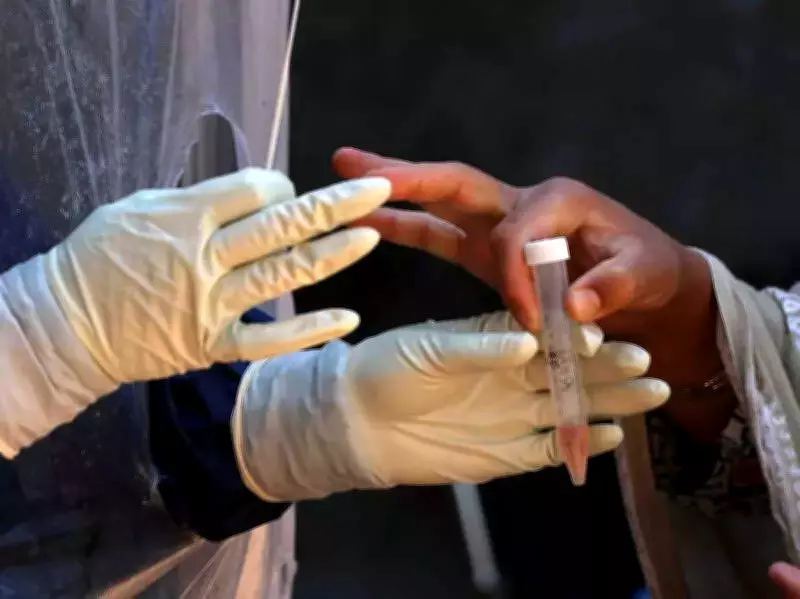
The Maharashtra state health department has achieved significant breakthroughs in its comprehensive sickle cell anemia detection initiative, revealing 9,725 newly diagnosed cases of the genetic blood disorder and identifying 82,205 individuals as carriers during an extensive statewide screening campaign.
Arunodaya Special Campaign Extended for Maximum Coverage
Launched on January 15 with an initial deadline of February 7, the Arunodaya Special Sickle Cell Anaemia Campaign was strategically extended to February 9 to ensure thorough screening of the 0-40 years age group across Maharashtra's tribal regions. The campaign's primary objectives focused on early detection of sickle cell disease, facilitating timely medical intervention, and establishing robust referral systems for affected individuals.
Targeted Approach in 21 High-Prevalence Tribal Districts
The health department concentrated its efforts on 21 tribal-dominated districts known for elevated sickle cell prevalence rates:

- Thane, Nashik, Nandurbar, Amravati, Gondia
- Gadchiroli, Palghar, Nagpur, Wardha, Chandrapur
- Bhandara, Yavatmal, Dhule, Jalgaon, Buldhana
- Nanded, Washim, Akola, Chhatrapati Sambhajinagar
- Raigad and Hingoli
During the 24-day campaign period, health workers systematically screened populations using rapid solubility tests, an economical and efficient method for detecting hemoglobin S presence that indicates sickle cell trait.
Updated Statewide Statistics and Medical Implications
The campaign's findings have substantially increased Maharashtra's documented sickle cell statistics, bringing the total number of confirmed patients to 22,145 and identified carriers to 206,480. Medical professionals emphasize the critical distinction between sickle cell disease patients, who inherit two abnormal hemoglobin genes (one from each parent), and carriers who possess one sickle gene alongside one normal gene.
While carriers typically experience normal lives without disease symptoms, they face elevated risks for rare complications like splenic infarct under extreme conditions of dehydration or high-altitude exposure. Genetic counseling becomes particularly crucial when both parents are carriers, creating a 25% probability per pregnancy of having a child with sickle cell disease, a 50% chance of a carrier child, and a 25% chance of a child with normal hemoglobin.
Comprehensive Genetic Counseling and Support Services
"Once we identify a patient through screening, we immediately provide genetic counseling services," explained a participating doctor. "For newly married couples or expectant mothers who undergo genetic testing, we thoroughly counsel them about all available options and ensure they receive comprehensive support at government healthcare facilities."
The campaign represents a major advancement in Maharashtra's public health infrastructure, particularly for tribal communities historically underserved in healthcare access. By combining widespread screening with educational outreach and genetic counseling, health authorities aim to reduce disease transmission and improve quality of life for affected individuals across the state.






