

Madhya Pradesh Police and NGO Launch Menstrual Health Initiative for Adolescent Girls
In a groundbreaking community outreach effort, police in Madhya Pradesh have partnered with the non-profit organization Samarpan to conduct comprehensive menstrual health awareness sessions for adolescent girls studying in government schools and hostels across Panna and Narmadapuram districts. This innovative initiative aims to significantly improve school attendance rates while simultaneously strengthening child protection mechanisms throughout these rural and tribal regions.
Program Implementation and Distribution Details
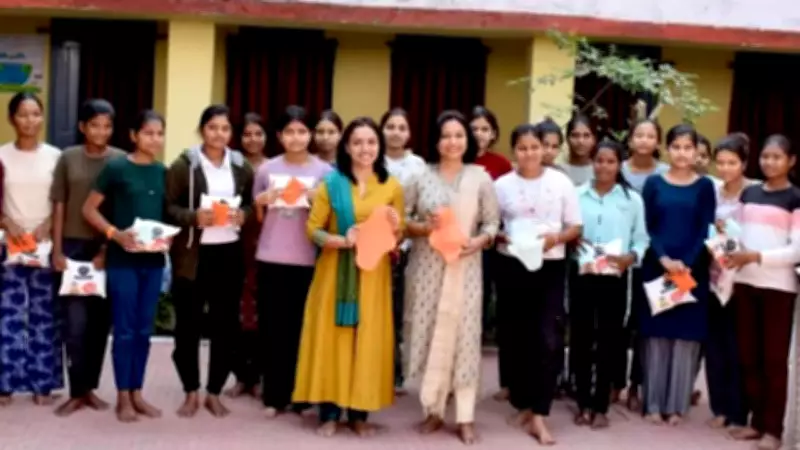
Under this carefully structured program, implemented through close collaboration between district police authorities and NGO Samarpan, police officers actively participate in school-based sessions where adolescent girls receive essential education about menstruation, personal hygiene practices, nutritional requirements, and crucial personal safety measures. The initiative extends beyond mere awareness sessions to include the practical distribution of reusable menstrual hygiene kits and comprehensive educational materials specifically designed for students in underserved rural and tribal communities.
The program initially launched in Panna district, where more than 8,000 girls and women studying in government educational institutions and residential hostels have already received these valuable menstrual hygiene kits alongside thorough health awareness training. Each thoughtfully prepared kit contains six high-quality reusable cloth pads accompanied by an informative booklet written in accessible Hindi. These sustainable pads can be effectively reused for an impressive three to five years when properly washed with mild soap and thoroughly dried in sunlight, substantially reducing both the recurring financial burden on economically disadvantaged families and the significant environmental impact typically associated with disposable sanitary products.

Expansion and Measurable Impact
Encouraged by the overwhelmingly positive response observed in Panna district, the initiative has successfully expanded to Narmadapuram district, where an additional 5,000 girls and women have now received these essential kits and comprehensive training. Teachers actively involved in implementing the program have reported noticeable improvements in school attendance among female students during menstrual periods within participating educational institutions, demonstrating the initiative's tangible effectiveness in addressing a critical barrier to consistent education.
Police officers have embraced their participation in these awareness sessions as a vital component of broader community outreach efforts. Sai Krishna, the superintendent of police for Narmadapuram district, emphasized how these meaningful interactions help establish crucial trust between students and law enforcement personnel. "When adolescent girls observe police officers visiting their schools and engaging in open, honest conversations with them, it naturally builds familiarity and establishes genuine trust. This foundational trust can empower these young women to confidently report instances of harassment or personal distress at much earlier stages, potentially preventing more serious situations from developing," he explained during a recent program review.
Integration with Child Protection Programs
The menstrual health initiative has been strategically linked with the existing Operation Muskan child protection program, creating a comprehensive safety network. Under this integrated approach, teachers and police personnel collaboratively monitor sudden, unexplained gaps in school attendance patterns. When a student unexpectedly stops attending school, systematic follow-up visits are promptly conducted to identify potential underlying causes, which might include family pressure, labor demands, or other vulnerabilities that could compromise the student's wellbeing and educational continuity.

According to program organizers, this initiative directly addresses a fundamental challenge confronting adolescent girls throughout India. The country currently has more than 113 million adolescent girls, and multiple studies conducted by UNICEF and the National Family Health Survey consistently indicate that a significant proportion face substantial difficulties managing menstruation safely and with basic dignity. Health and education experts confirm that school absence during menstrual periods contributes substantially to premature school dropouts, with nearly one in four girls leaving formal education entirely after reaching puberty.
Addressing Affordability and Institutional Collaboration
Dr. Megha Bhargava, co-founder of Samarpan and joint commissioner of income tax, highlighted how affordability remains a major barrier for countless families. "These reusable menstrual hygiene kits effectively eliminate the recurring financial burden associated with purchasing disposable sanitary products, thereby enabling girls from economically challenged backgrounds to continue attending school regularly without interruption," she emphasized during a program assessment meeting.
Dr. Ruma Bhargava, founder of Samarpan and former global health lead at the World Economic Forum, stressed the critical importance of institutional cooperation in addressing this multifaceted issue comprehensively. "When educational institutions, healthcare workers, and law enforcement agencies work together in coordinated fashion, they can collectively identify and prevent vulnerabilities that frequently lead to detrimental outcomes such as early marriage or various forms of exploitation," she explained, underscoring the program's preventive dimension.
Program officials have confirmed that, based on the overwhelmingly positive response received from participating schools and local communities, the initiative will continue expanding to additional districts throughout Madhya Pradesh, potentially creating a model that could be replicated in other Indian states facing similar challenges regarding adolescent girls' health and education.





