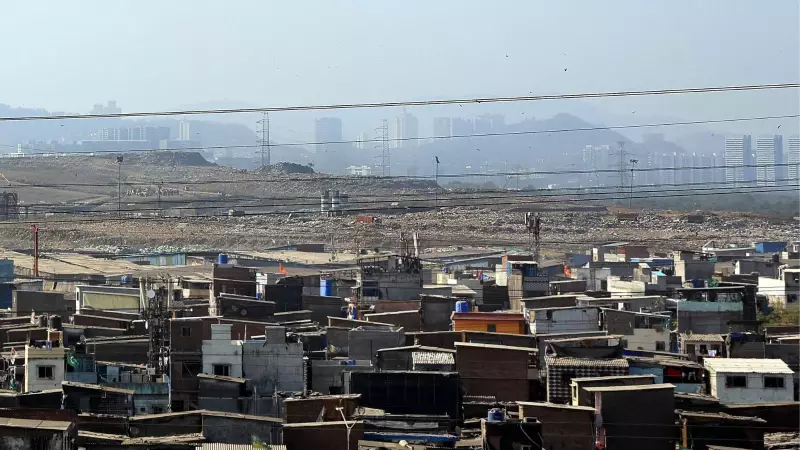
In the shadow of Mumbai's glittering skyscrapers and world-class real estate, a starkly different reality persists in its easternmost reaches. The M-East ward, encompassing areas like Govandi, Deonar, Mankhurd, and Ramabai Nagar, remains a glaring symbol of the city's deep-seated inequalities, a situation officially documented but largely unaddressed for nearly two decades.
A Persistent Crisis Documented and Ignored
The plight of M-East ward was starkly quantified in a 2009 report by the Brihanmumbai Municipal Corporation (BMC), which ranked it the lowest in the human development index among the city's wards. The report revealed a shocking average life expectancy of just 39 years, compared to the city's average of 53 at the time. Despite this red flag, the report was never updated annually, and the challenging realities for residents have seen little improvement.
The issues have been repeatedly highlighted, most recently in 2023 by the Maharashtra State Human Rights Commission (MSHRC). The commission issued directives to the BMC, urging the creation of a concrete roadmap to upgrade public infrastructure and civic amenities. It pinpointed the concentration of polluting industries, the century-old Deonar dumping ground, and the city's sole bio-waste treatment plant within the ward as major contributors to the health crisis.

Health Infrastructure in Shambles, Informal Systems Thrive
The crumbling formal systems have led to a dangerous proliferation of informal alternatives. The ward's sole major public hospital, Pandit Madan Mohan Malviya Shatabdi Hospital in Govandi, also serves the neighbouring M-West ward, stretching its resources thin. Locals from areas like Mandala in Mankhurd must spend Rs 100-200 on transportation to reach it.
Activist Bilal Khan, appointed amicus curiae in the MSHRC case, emphasized the urgent need to upgrade health facilities and extend the operational hours of municipal dispensaries to serve the working population. The hospital has faced protests this year over doctor vacancies and a lack of diagnostic facilities. This vacuum has resulted in the mushrooming of illegal health clinics, where misdiagnosis and wrong treatment have sometimes proved fatal for residents.
The crisis extends beyond healthcare. A 2022 survey by NGO Apnalaya found nearly 70% of respondents in M-East ward identified water, sanitation, and hygiene as top concerns, with high household expenses going toward medical needs and water. Many areas lack formal electricity or water connections, forcing residents to pay exorbitant rates for informal services.
Citizen Voices Rise, But Systemic Change Awaits
Despite the neglect, community spirit remains. Shakhir Hussain Shaikh, a 29-year-old resident of Govandi, notes that citizens actively voice concerns in multiple forums. The interest in local governance is evident, with over 180 applications filed for 15 councillor seats in the last election. However, this has not yet translated into substantial change, highlighting the need for stronger push from elected public representatives.
The directives from the Human Rights Commission included specific suggestions like using 155 hectares of vacant land in the ward for public infrastructure and increasing budgetary allocation to fight malnutrition. Yet, activist Bilal Khan states he has heard no updates on the implementation of these orders, leaving the future of M-East ward's residents in a state of prolonged uncertainty, their right to a dignified life still on hold.