

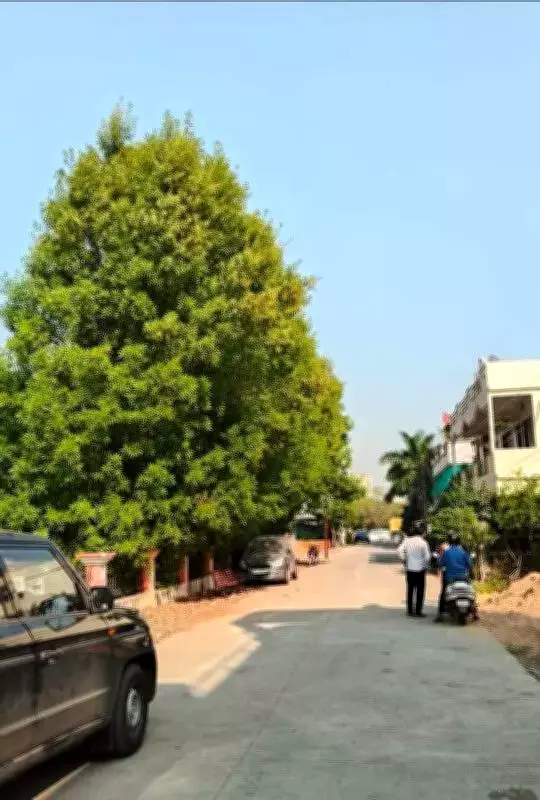
Nagpur Residents and Consumer Body Demand Immediate Action on Hazardous Conocarpus Trees
The Akhil Bharatiya Grahak Panchayat, a prominent consumer rights organization, has formally urged the Besa Nagar Panchayat in Nagpur to cut down Conocarpus trees planted across the area. This urgent appeal comes amid growing concerns that the species, which has already been banned in states like Gujarat and Andhra Pradesh, poses significant health and environmental risks to local residents.
Health Hazards and Environmental Impact Cited
Residents living near the Swami Samarth Temple in Besa have reported that the Conocarpus trees, which have now grown to a substantial size, are hazardous to public health. Despite numerous complaints from the community, citizens allege that there has been minimal response from the local administration, leaving them exposed to ongoing dangers.
Conocarpus is an evergreen species native to Africa, known for its rapid growth. However, it has been banned in several Indian states due to severe environmental and health concerns. The tree is notorious for absorbing large quantities of groundwater, which can deplete local water resources and disrupt ecosystems. More critically, its pollen is a known trigger for allergies, leading to respiratory issues and other health problems among sensitive individuals.

Widespread Bans and Public Outcry
The consumer body highlighted that the bans in Gujarat and Andhra Pradesh serve as a precedent, emphasizing the need for immediate action in Nagpur. The Akhil Bharatiya Grahak Panchayat's demand underscores a broader public outcry for safer urban greenery, as communities become increasingly aware of the adverse effects of non-native plant species.
Local residents have expressed frustration over the lack of administrative action, noting that the continued presence of these trees exacerbates health risks, particularly for children and the elderly. The situation calls for a swift response from authorities to mitigate potential long-term impacts on public health and the local environment.






