

Nagpur's Narendra Nagar Faces Severe Water Contamination Crisis
Residents of Navnath Society and Maske Layout in Nagpur's Narendra Nagar area (prabhag 35) have endured a harrowing week-long ordeal, receiving foul-smelling and contaminated drinking water due to a severe sewage leak into the potable water supply. This incident has starkly exposed the glaring civic apathy and administrative inertia of the Nagpur Municipal Corporation (NMC), leaving over 100 households grappling with a public health emergency.
Root Cause: Ageing Infrastructure and Pipeline Damage
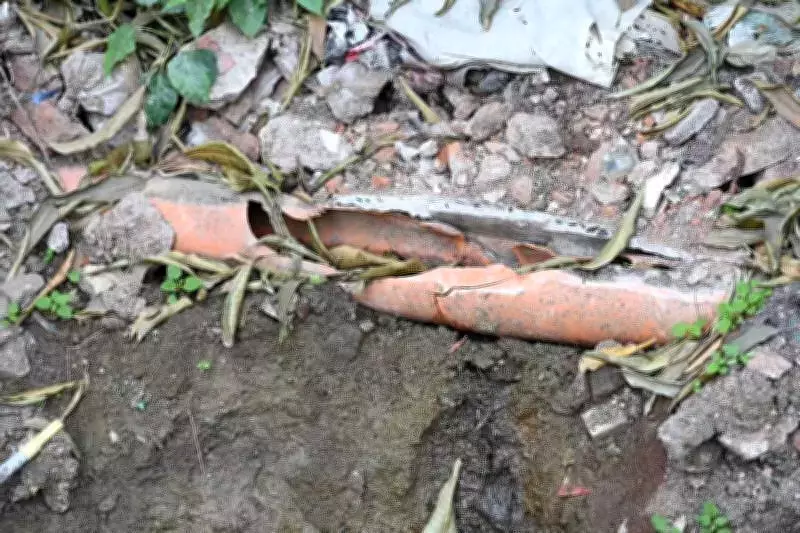
The crisis originated from a nearly 25-year-old underground sewer pipeline that developed multiple leakages near a Shiv temple in the locality. During subsequent repair work, the adjacent drinking water pipeline was inadvertently damaged, creating a direct pathway for sewage to infiltrate the water chambers supplying homes in Navnath Society and surrounding pockets. Residents reported that the water turned blackish, emitted a foul odor, and was completely unfit for human consumption.
Residents' Plight and Health Concerns
Fearing outbreaks of waterborne diseases such as cholera, typhoid, and gastroenteritis, families were forced to abandon tap water entirely. Many incurred significant expenses purchasing packaged drinking water to meet their daily needs. "For the past one week, gutter water was supplied to our homes. Once we realised, we stopped using it. But how long can people survive like this?" lamented one resident, highlighting the particular vulnerability of children and senior citizens to such hazardous conditions.

Administrative Delays and Alleged Indifference
Despite repeated complaints to the Dhantoli zone office and local elected representatives, residents allege that repair efforts progressed at a painfully slow pace. Local corporators Vishakha Mohod and Ramesh Bhandari were informed multiple times. While Bhandari reportedly visited the site once, residents claim no substantive follow-up action was taken. "He said the work would be done tomorrow and left. It has been days since," expressed another frustrated resident, underscoring the perceived indifference of authorities to the unfolding health crisis.
Official Response and Ongoing Challenges
Officials from the Dhantoli zone confirmed the issue, attributing the contamination to leakage in the main sewer line. They stated that a new chamber is being constructed and efforts are underway to replace the ageing pipeline. However, water accumulation in the excavation pit has delayed progress, necessitating the installation of motor pumps to dewater the site. Superintending engineer (water works) Shweta Banerjee assured that repairs would be expedited, noting, "In 80% of the area, the problem was solved. Work is in progress, and the work will be completed today."
Broader Implications and Citizen Anger
Affected residents, including individuals like Ramesh Bavne, Motiram Kumre, Suresh Joshi, and Raju Chauhan, argue that such explanations offer little solace when basic drinking water becomes a health hazard. They warn that if waterborne diseases emerge, responsibility will rest squarely with the NMC administration and elected representatives for their failure to act promptly. As contaminated water continued to flow from taps, this episode has reignited troubling questions about Nagpur's decaying infrastructure, sluggish emergency response mechanisms, and the heavy cost of official negligence borne by ordinary citizens.
The incident serves as a stark reminder of the urgent need for infrastructure upgrades and more responsive civic governance in urban areas. Residents remain hopeful for a permanent resolution but are wary of recurring such failures, emphasizing that access to clean water is a fundamental right that cannot be compromised.






