Health and veterinary experts have issued a stark warning, stating that Pakistan remains dangerously unprepared to confront a potential outbreak of the highly pathogenic avian influenza (HPAI), specifically the H5N1 strain. This warning comes amidst growing global concern over the virus's spread to mammals and its pandemic potential.
Critical Gaps in Pakistan's Defences
The core of the experts' concern lies in Pakistan's fragmented and under-resourced disease monitoring system. Dr. Muhammad Afzal, a senior veterinarian, highlighted the absence of a robust active surveillance programme specifically designed to detect H5N1 in animals. This means the country largely relies on passive reporting, potentially missing early signs of an outbreak.
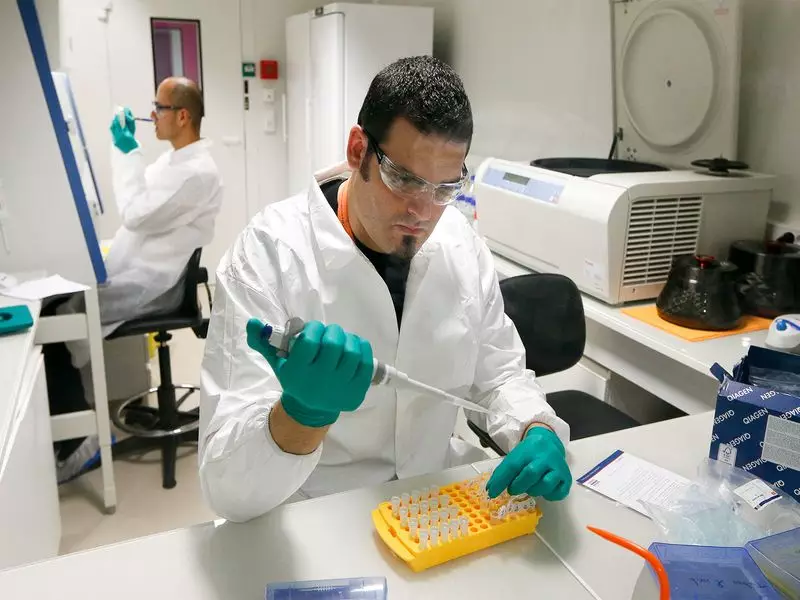
Furthermore, the nation faces a severe shortage of essential tools. There is a critical lack of both animal and human vaccines for H5N1, leaving populations vulnerable. Diagnostic capabilities are also limited, with few labs equipped to confirm the virus swiftly. Experts point out that the country's primary strategy of culling infected poultry is reactive and insufficient without strong preventative measures.

A Global Threat Knocking at the Door
The urgency of the situation is magnified by the virus's behaviour worldwide. The H5N1 strain has caused unprecedented mortality in wild birds and has increasingly jumped to mammals, including cattle in the United States and sea lions in South America. In March and April 2024, the US reported H5N1 infections in dairy cows and a human case linked to cattle exposure, a development that has alarmed scientists.
While human-to-human transmission remains rare, each new mammalian infection provides the virus with opportunities to mutate and adapt. Pakistan's status as a major poultry producer and a hub on the Central Asian Flyway for migratory birds creates multiple pathways for the virus to enter and spread within its borders.
Consequences and the Call for Action
The potential consequences of an uncontrolled HPAI outbreak in Pakistan are severe. Beyond the immediate threat to human health, it could devastate the poultry industry, a crucial source of food and livelihood for millions. This would trigger economic shockwaves and exacerbate food insecurity.
Experts are calling for immediate and coordinated action. Their recommendations include:
- Establishing a dedicated, well-funded active surveillance network for zoonotic diseases like H5N1.
- Investing in laboratory capacity for rapid diagnosis and genetic sequencing of viruses.
- Developing stockpiles of vaccines for both animals and frontline human workers.
- Launching public awareness campaigns about the risks of handling sick or dead birds.
- Improving coordination between the Ministry of National Health Services and the Ministry of Livestock.
The message from the scientific community is clear: Pakistan must treat HPAI H5N1 as a serious and imminent threat to national and global health security. Waiting for an outbreak to occur before strengthening defences could lead to a catastrophic failure. The time for preparedness is now.