

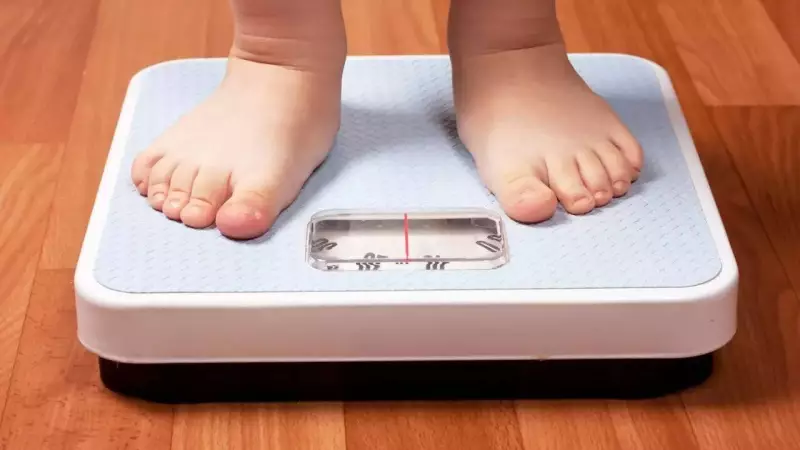
In a well-intentioned effort to ensure their children are well-nourished, parents often cross the line from providing sufficient nutrition to overfeeding. Similarly, driven by love or cultural perceptions, they frequently fail to notice when their child starts gaining more weight than is considered healthy for their specific age and height. This oversight marks the beginning of a significant and growing health concern.
The Alarming Perception Gap
A recent study conducted in Serbia presents a stark reality: a large number of parents are unable to identify when their children are carrying excess weight. The research focused on families with children aged between 6 and 9 years. It discovered that, in a majority of cases, parents labelled their child's weight as "normal" even when clinical measurements indicated otherwise. This disconnect is critical because early recognition is the first step towards intervention. When parents miss the initial signs, opportunities for initiating important conversations and making healthy lifestyle adjustments are lost. Health professionals consistently emphasise that accurately understanding a child's weight status is the foundational step towards ensuring their health, both in the present and the future.
What the Research Uncovered
The Serbian study meticulously compared parental perceptions of their children's weight with objective data, including height, weight, and Body Mass Index (BMI). The key finding was unmistakable: there was a widespread tendency among parents to underestimate whether their child was overweight. Despite clear evidence from growth charts, many parents maintained that their child's physique was perfectly fine. This chasm between perception and reality poses a substantial challenge. If a problem remains unseen, it cannot be addressed.

Why Parents Fail to See the Problem
Researchers identified a combination of factors behind this perceptual blind spot. In many cultures, particularly within certain European communities, a plumper child is often viewed as a symbol of health and prosperity, which can distort judgment. Furthermore, a significant number of parents lack familiarity with BMI charts or the benchmarks for a healthy weight relative to their child's age. Without this knowledge, they rely on instinct or make comparisons with other children in their immediate circle.
Additionally, gradual weight gain can easily go unnoticed. Parents might spot a sudden, significant increase, but subtle, incremental changes often fly under the radar. Over time, families simply adapt to a new "normal" without realising the shift.
This issue is not confined to Serbia. The World Health Organization (WHO) has highlighted that in numerous European nations, over half of all parents underestimate their child's weight if they are overweight or obese. In the United Kingdom, approximately 7 out of 10 parents of children in these categories believed their child's weight was acceptable. This is a global pattern influenced not just by culture, but also by parental education levels and the child's age.
The Serious Consequences of Delayed Action
Why is this perception gap so concerning? Early identification is paramount. When parents are unaware of their child's weight issue, they are unlikely to modify dietary habits, encourage increased physical activity, or seek medical advice. Childhood obesity is not a phase that children simply outgrow. It is linked to a heightened risk of developing type 2 diabetes, hypertension, and cardiovascular diseases later in life. The WHO estimates that roughly one in every four children in Europe is living with excess weight, and the majority of their parents are oblivious to it.
When the problem goes unrecognised, proactive measures are stalled. Parents continue with existing meal plans, do not prioritise active playtime, and assume all is well, while small, daily habits compound into larger health risks. It also hinders productive dialogue with paediatricians. If a parent does not perceive an issue, they are less likely to raise it during check-ups, potentially missing out on vital guidance on nutrition, exercise, and healthy growth patterns.

Steps Parents Can Take
The journey towards change begins with awareness. Here are actionable steps for parents:
First, rely on facts over intuition. Do not depend solely on visual assessment. Utilise tools like BMI percentiles provided during paediatric check-ups to get an accurate understanding of your child's growth trajectory.
Second, engage openly with your child's doctor. Discuss growth charts, ask about healthy weight ranges for your child's age and build-up, and seek clarification on any doubts. No question is insignificant.
Third, foster healthy habits universally, regardless of your child's current size. This includes promoting regular physical activity, serving balanced meals with appropriate portions, and limiting the intake of sugary snacks and processed foods. These routines benefit every child.
Finally, empower yourself with knowledge. Understanding child development and what constitutes a healthy lifestyle equips you to better support your child's journey towards lifelong wellbeing.





