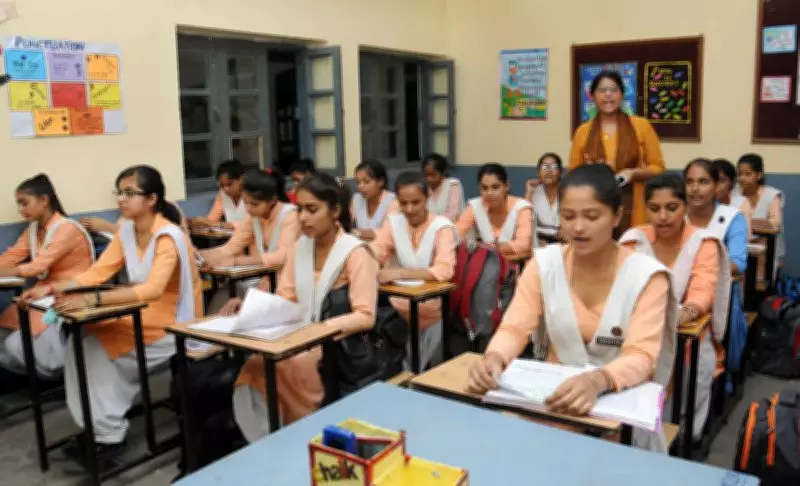
In classrooms across Punjab, a quiet revolution has begun with the government's Menstrual Health Curriculum for adolescent girls. Rolled out on May 28 to mark Menstrual Hygiene Day, the curriculum represents a decisive step towards overcoming stigma and empowering students through knowledge. Nearly 7,200 teachers across the state have been trained to conduct sessions on menstrual health.
Scope of the Initiative
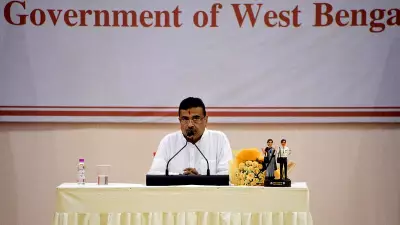
The initiative covers 3.4 lakh girls from classes VI to X at 3,600 government schools, making it one of the largest menstrual health programmes at the national level. Chief Minister Bhagwant Mann said at the launch in Chandigarh, "For too long, menstruation has been surrounded by silence, hesitation and myths. The curriculum ensures no girl feels ashamed or excluded because of a natural biological process."
Curriculum Design and Approach
Developed in Punjabi to ensure relatability, the curriculum uses interactive storytelling centred on a 10-year-old character named Ruby. Through guided discussions and participatory activities, students learn about bodily changes, hygiene practices and self-care. Dr Renu Chhabra, a government-appointed trainer, explained, "Storytelling makes the subject approachable. When Ruby talks about her first period, girls realise they are not alone. It builds confidence and normalises conversations that were once whispered behind closed doors."

Education Minister Harjot Singh Bains emphasised that teachers would not just be instructors but allies. "We want classrooms to become safe spaces where girls can ask questions without fear or embarrassment," he added. The programme follows a three-session intervention model, blending age-appropriate learning with peer support. Officials highlight that primary goals include hygiene awareness, building confidence, and fostering self-esteem.
Broader Impact and Support
The initiative resonates with Supreme Court observations that menstrual health is directly linked to dignity, education and equality. Dr Suman Puri, professor of obstetrics and gynaecology at Dayanand Medical College and Hospital, stated, "This is not just about hygiene, it is about rights. By institutionalising menstrual education, the state is recognising that dignity in classrooms translates to dignity in society."
Despite progress, myths persist. Many families still believe menstruation is "impure" and sanitary products are unsafe. Social activist Jasleen Kaur noted, "We are raising a generation where girls skip school during their periods because of shame or lack of facilities. This curriculum is a bold attempt to change that narrative."
Student and School Response
The development has garnered positive feedback from students. Simran, a Class VIII student from Ludhiana, said, "Earlier, we were scared to ask questions. Now, we know it is normal and we can talk openly. The session helped me understand periods are a normal biological process, and not a disease."
Officials say the programme is being implemented in collaboration with an international non-profit organisation specialising in menstrual health education. The phased rollout will be monitored closely, with feedback from schools guiding improvements. The principal of a government school remarked, "This is not a one-day campaign. It is a sustained effort to ensure menstruation never becomes a barrier to education, confidence or participation."
A Social Reform in Classrooms
The state's bold step is more than a curriculum; it is a social reform in classrooms, a declaration that adolescent girls deserve knowledge, dignity and equality. As a teacher in Ludhiana put it, "We are not just teaching them about periods, we are teaching confidence, courage and respect."