

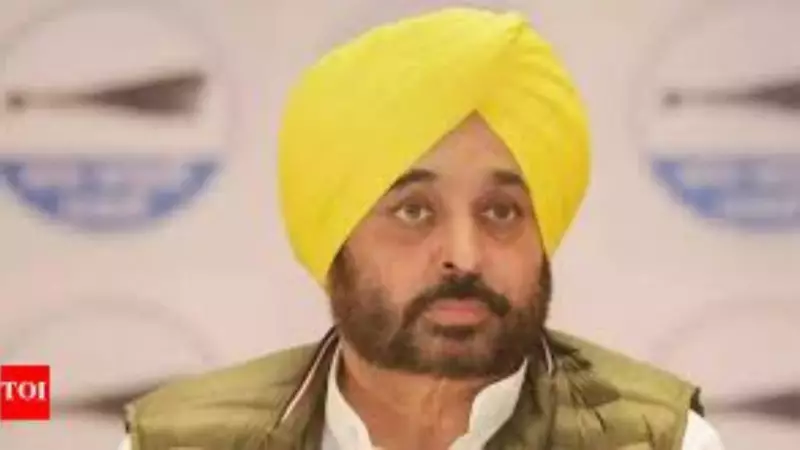
The Punjab government is set to significantly enhance its healthcare safety net by launching a revamped health insurance scheme that promises substantial coverage for millions of families across the state.
Massive Expansion of Health Coverage
Under the upgraded Mukh Mantri Sehat Bima Yojana, each eligible family in Punjab will receive a health insurance cover of Rs 10 lakh. This initiative marks a major leap from the existing provisions and is anticipated to be rolled out by the state government in early next year.
The scheme aims to extend its protective umbrella to approximately 65 lakh families, a number that represents a significant increase from the current beneficiary count. This expansion will bring a much larger segment of the state's population under formal health insurance protection.

From Previous Scheme to Enhanced Benefits
The journey to this enhanced coverage began earlier this year. In July, the state government had announced the scheme, at which time around 45 lakh families were covered under various government health insurance programs.
A key component was the Mukh Mantri Sarbat Sehat Bima Yojana, which had enrolled about 29 lakh families. However, that scheme had an annual cap of Rs 5 lakh per family. The new Yojana effectively doubles that financial coverage, providing a more robust shield against medical expenses.
Implementation and Financial Outlay
Punjab's Health Minister, Harpal Singh Cheema, has confirmed that the scheme will be implemented during the current fiscal year. The estimated expenditure for this ambitious project is around Rs 600 crore.
The operational model will involve collaboration between an insurance agency and the state's private hospitals. This partnership is crucial to delivering the promised healthcare facilities effectively to the vast target group of 65 lakh families residing in Punjab.
This move is expected to reduce out-of-pocket medical expenditures for families, provide access to quality private healthcare, and contribute to the overall improvement of health indicators in the state by ensuring financial protection during medical emergencies.






