

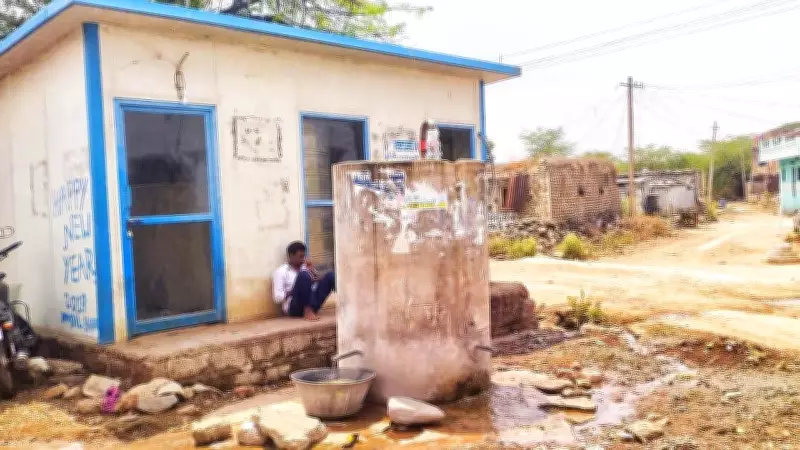
Drinking water remains a distant dream for residents of several villages in North Karnataka, as Reverse Osmosis (RO) plants installed to provide clean water have fallen into disrepair. A large number of villagers now depend solely on borewells for their daily water needs, as operating and maintaining these RO plants has become a significant challenge for local gram panchayats.
Defunct RO Plants Worsen Water Crisis
According to a report by Vittal Shastri, published on April 25, 2026, the situation is dire. The RO plants, which were installed under various government schemes to provide safe drinking water, are now non-functional due to lack of maintenance, shortage of funds, and technical issues. This has left thousands of families with no option but to rely on borewells, which often yield water with high salinity or contamination.
Challenges Faced by Gram Panchayats
Gram panchayats, the local self-governing bodies, are struggling to keep the RO plants operational. Key challenges include:

- Financial Constraints: Limited budgets make it difficult to cover the costs of electricity, replacement of filters, and routine servicing.
- Technical Expertise: Lack of trained personnel to handle repairs and maintenance.
- Logistical Issues: Delays in procurement of spare parts and lack of support from higher authorities.
As a result, many plants have been abandoned, and villagers are forced to travel long distances or queue for hours at borewells.
Impact on Daily Life
The water scarcity has severe repercussions on health and hygiene. Residents report increased cases of waterborne diseases, and women and children bear the brunt of water collection. The situation is particularly acute during the summer months when borewell levels drop.
Government Response and Way Forward
While the state government has acknowledged the issue, concrete action remains slow. Experts suggest a multi-pronged approach: involving community participation, providing regular training to local technicians, and ensuring dedicated funds for maintenance. Until then, the dream of clean drinking water remains a mirage for many in North Karnataka.






