

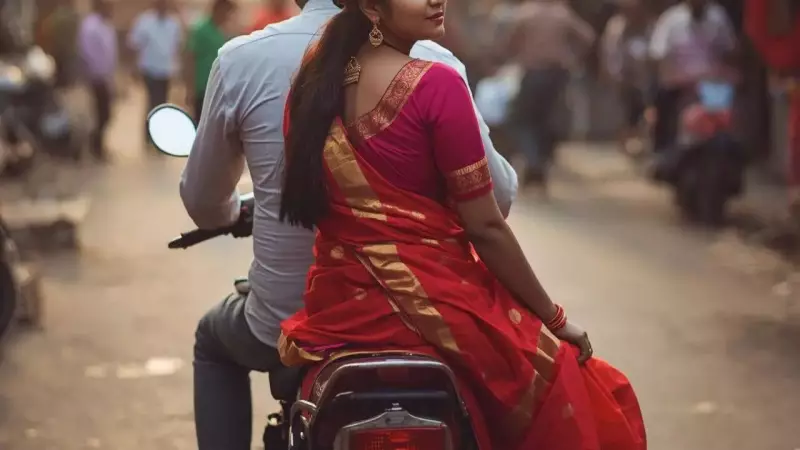
Across India's bustling streets, a common sight is a woman gracefully perched sideways on the back of a motorbike. While this posture appears rooted in tradition and modesty, a stark new reality is emerging from scientific research. A peer-reviewed study published in the Journal of Indian Academic Forensic Medicine delivers a critical finding: female pillion riders seated in the side-saddle position face a significantly higher chance of sustaining severe head injuries during two-wheeler accidents compared to those seated astride.
The Cultural Tapestry Behind the Side-Saddle Habit
The origins of sitting sideways are deeply woven into India's social and historical fabric. This practice, which echoes earlier horse-riding traditions, is heavily influenced by modesty norms and traditional clothing. Garments like the saree and long skirts make straddling a motorbike both awkward and socially discouraged. The design of early motorcycles, with foot-rests and handles intended for astride seating, inadvertently cemented the side-saddle position as the default for women in traditional wear. Over generations, this has become an instinctive practice, passed from mothers to daughters, and continues even when women are wearing more practical attire like trousers.
The Grave Safety Implications of a Cultural Norm
Beneath the surface of this cultural norm lies a serious public safety issue. Research clearly indicates that the side-saddle posture drastically reduces a passenger's stability. In the event of sudden braking, a collision, or a swerve, the rider lacks the ability to anchor herself effectively. This often leads to being ejected or sliding off the vehicle. Furthermore, most two-wheelers are not designed for this seating position. Side-saddle riders frequently struggle with insecure handles and poorly positioned foot-rests, compounding their vulnerability. The risk is magnified by loose garments, which can easily get entangled in the moving parts of the bike.

Charting a Path Towards Safer Roads
Addressing this deeply ingrained habit requires a multi-pronged approach that respects culture while prioritizing safety. The first and most crucial step is raising awareness. Educating women and families about the heightened risks associated with the side-saddle position can encourage more conscious choices regarding posture and clothing.
Manufacturers and safety regulators also have a vital role to play. The research paper recommends specific design interventions:
- Redesigning foot-rests to provide better support for all seating postures.
- Installing more secure and accessible pillion handles.
- Ensuring effective saree guards are standard on all two-wheelers.
On an individual level, small changes can make a big difference. Opting for trousers or leggings when planning a bike journey can make the safer, astride seating position more feasible. Strictly enforcing helmet use is non-negotiable for all riders and passengers.
The side-saddle posture is more than a mere habit; it is a complex interplay of culture, clothing, and gender norms. However, the evidence of its danger is clear. The way forward involves a collective effort to adapt designs, adjust behaviors, and reimagine traditions in a way that protects lives without erasing cultural identity.






