

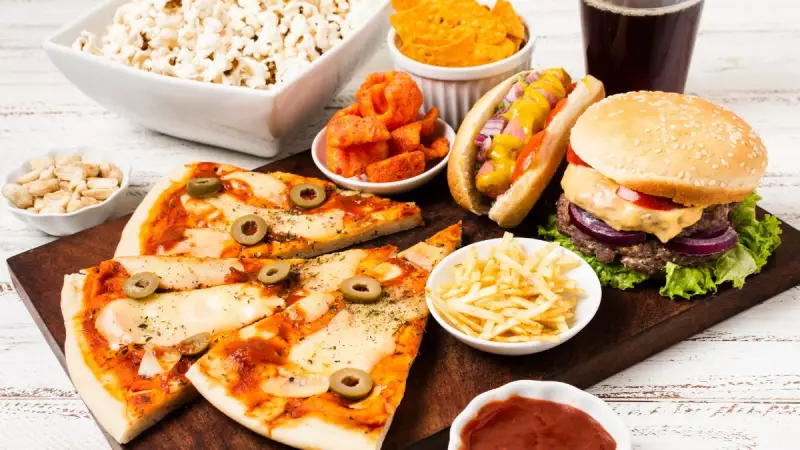
In a decisive move to protect children's health, the United Kingdom has implemented sweeping new regulations targeting the advertising of unhealthy food and drinks. The government's strategy, a cornerstone of its plan to tackle the growing childhood obesity crisis, introduces a total ban on paid online advertisements for products high in fat, salt, and sugar (HFSS).
New Advertising Restrictions: A Two-Pronged Approach
The landmark policy, which came into effect on January 9, 2026, operates on two key fronts. First, it completely prohibits paid advertisements for HFSS products across all digital media platforms. This includes social media sites, video-sharing platforms, and company-owned websites and apps.
Second, the rules impose a strict watershed on television advertising. TV commercials for unhealthy food and drinks are now banned before 9:00 PM. This measure is designed to significantly reduce the exposure of children to persuasive marketing for junk food during the hours they are most likely to be watching television.

The regulations are grounded in a nutrient profiling model, which scientifically categorizes food and drink products based on their nutritional content. Products that score poorly under this model, indicating they are high in calories, saturated fat, sugar, or salt, fall under the scope of the new advertising restrictions.
The Driving Force: Combating a Public Health Emergency
The impetus for this bold legislative action is the alarming rate of childhood obesity in the UK. Government data indicates that one in three children leaves primary school overweight or obese. This statistic has raised serious concerns about the long-term health of the nation, as childhood obesity is strongly linked to a host of serious conditions in adulthood, including type 2 diabetes, heart disease, and certain cancers.
Public health experts have long argued that relentless advertising plays a major role in shaping children's food preferences and consumption habits. By creating an environment saturated with ads for sugary cereals, fast food, and fatty snacks, companies make it exceedingly difficult for parents to encourage healthy eating. The new rules aim to rebalance this environment, giving healthier choices a fighting chance.
The government's stance is clear: protecting children's health is a paramount priority that necessitates strong intervention in the market. The policy is part of a broader obesity strategy that also includes initiatives like mandatory calorie labelling on menus and restrictions on promotional offers like 'buy one get one free' for unhealthy items in supermarkets.
Implications and Industry Response
The ban represents a significant shift for the food and advertising industries. Major brands that heavily rely on digital and evening TV campaigns to reach young audiences will need to radically overhaul their marketing strategies. This could lead to increased innovation and promotion of healthier product lines that fall outside the HFSS criteria.
While health campaigners have overwhelmingly welcomed the move as a "game-changer," some industry bodies have expressed concerns. Critics argue that the rules are too broad, could stifle economic activity, and may not effectively address the complex, multifactorial causes of obesity. They also point to potential challenges in enforcement, especially across the vast and borderless landscape of the internet.
Nevertheless, the UK has positioned itself as a global leader in taking legislative action against junk food marketing. Other nations grappling with similar public health challenges will be closely watching the impact of these measures. The success of the ban will ultimately be measured by its contribution to halting and reversing the troubling trend of childhood obesity, paving the way for a healthier future generation.
For families, the change promises a less cluttered media landscape where pester power for unhealthy snacks may diminish, making it easier to establish and maintain good dietary habits from a young age.






