

India's Urban Water Crisis: A Silent Public Health Emergency
The story of urban water supply in India is increasingly one of danger rather than sustenance. For millions of residents, especially those in impoverished communities, the very water meant to sustain life has become a source of significant health hazards. This crisis is driven by a combination of aging infrastructure, systemic failures, and environmental pollution that compromises water quality at multiple points.
The Infrastructure Failures: Leaks and Intermittent Supply
A primary culprit in this ongoing crisis is the nation's deteriorating water distribution network. Leaking pipes are rampant across many Indian cities, leading to massive water loss and creating entry points for contaminants. These leaks often occur in old, corroded pipelines that have not been adequately maintained or replaced. The problem is compounded by intermittent water supply, which is a common feature in urban areas. When water pressure drops or supply is cut off, it can create a vacuum in the pipes, sucking in polluted groundwater or sewage from the surrounding soil through cracks and joints.
Sewage Systems and Source Pollution
Closely linked to the issue of leaking pipes is the state of urban sewage systems. In many cities, sewage lines run parallel to or even cross water supply lines. When these sewage systems are poorly maintained, overflowing, or leaking, they can directly contaminate drinking water sources. Furthermore, many of India's water sources—rivers, lakes, and groundwater—are heavily polluted with industrial waste, agricultural runoff, and untreated sewage. This source contamination means that even before water enters the distribution network, it may already be unsafe for consumption, requiring more rigorous treatment that is often lacking.

The cumulative effect of these factors creates a perfect storm for waterborne diseases. Communities reliant on this compromised supply face heightened risks of illnesses such as cholera, typhoid, and diarrhea, which can be particularly devastating for children and the elderly. The economic burden is also significant, with households often forced to spend scarce resources on bottled water or private purification systems.
Disproportionate Impact on the Poor
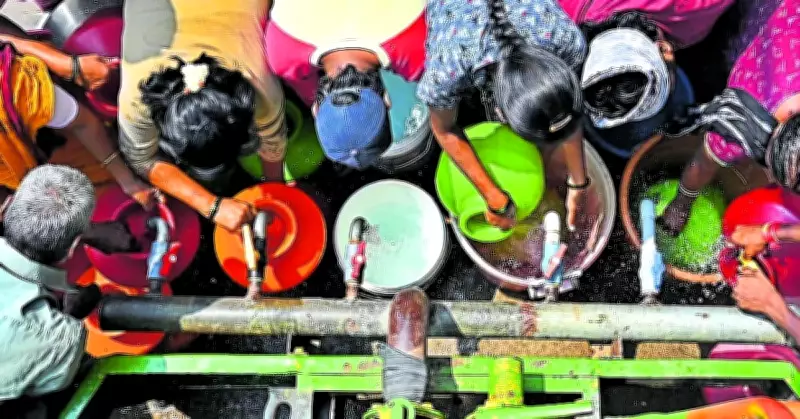
This crisis does not affect all urban dwellers equally. The poor are disproportionately impacted, as they often live in areas with the worst infrastructure and have limited access to alternative water sources. Informal settlements and slums frequently lack proper water connections altogether, forcing residents to depend on unreliable communal taps or expensive water tankers. Even when connected, the water they receive is often of the poorest quality due to the location of their neighborhoods in low-lying areas where contamination risks are highest.
Addressing this multifaceted crisis requires urgent and coordinated action. Investments in upgrading and maintaining water infrastructure, improving sewage treatment, and protecting water sources are critical. Public awareness and community involvement in monitoring water quality can also play a vital role. Without such measures, the urban water story in India will continue to be one where water, a basic necessity, remains a potential killer for millions.






