

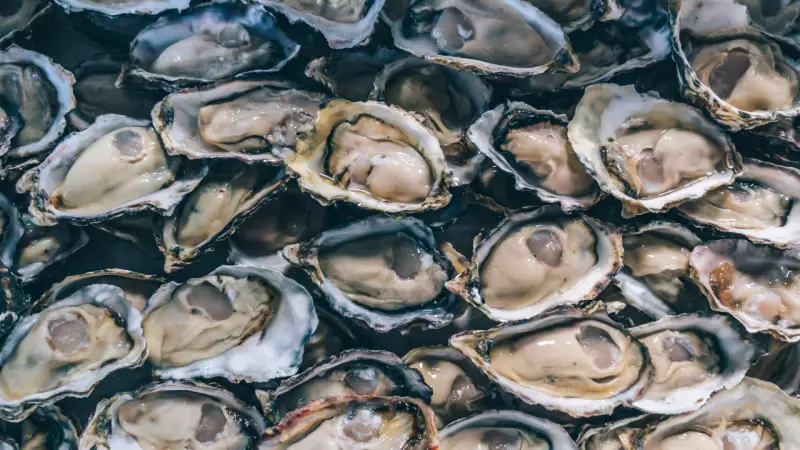
Health authorities in the United States have issued a critical nationwide alert for seafood lovers, particularly those who enjoy raw oysters, following a significant Salmonella outbreak. The contamination has been traced to raw oysters harvested from Galveston Bay in Texas in late November, with the tainted produce distributed to restaurants and retailers across the country before detection.
Scope of the Outbreak and Immediate Response
At least 64 individuals across 22 different states have been confirmed infected with Salmonella, according to the Centers for Disease Control and Prevention (CDC). While no fatalities have been reported, several hospitalizations have occurred. Genetic analysis has definitively linked the strain of Salmonella bacterium found in the patients to the oysters sourced from the identified area in Texas.
In response, the Texas Department of State Health Services has ordered a recall of all oysters harvested from specific leases in Galveston Bay. Both consumers and food service establishments are being urged to check the origin of their oysters. Any raw oysters from the affected region, or those with an uncertain origin, should be discarded immediately. Restaurants have been instructed to stop serving the potentially contaminated product.

Why Raw Oysters Pose a Risk
While prized for their fresh, briny taste, consuming raw shellfish carries inherent risks. Oysters can harbour harmful bacteria like Salmonella, which is responsible for an estimated 1.3 million foodborne illness cases in the US annually. Infection typically leads to unpleasant symptoms including diarrhea, fever, abdominal cramps, vomiting, and nausea. These effects can manifest anywhere from a few hours to several days after consumption and usually last up to a week.
Safety Guidelines for Consumers
The CDC and public health experts have issued clear guidelines in light of this outbreak. Anyone who has recently eaten raw oysters and is experiencing symptoms should contact a healthcare provider and mention their shellfish consumption. For those who have purchased raw oysters but are unsure of their source, the safest course of action is to avoid eating them raw until the investigation concludes.
A key safety measure is thorough cooking. Health professionals confirm that cooking oysters and other shellfish to an internal temperature of at least 145°F (63°C) effectively kills bacteria, including Salmonella, making them safe to eat. Additionally, proper hygiene is crucial: always wash hands, utensils, and surfaces that have come into contact with raw seafood.
This incident serves as a vital reminder for seafood enthusiasts everywhere, including in India, to be vigilant about the source of their shellfish and to prioritize proper food handling and cooking techniques to prevent illness.






