Water Contamination Crisis Strikes Kolkata Housing Complex, Affecting Hundreds
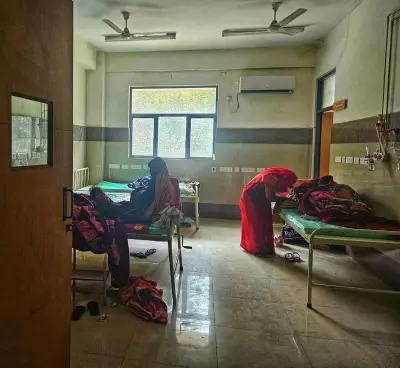
In a distressing public health incident, high levels of coliform bacteria have been detected in the internal water reservoir system of E Block at the Shukhobrishti housing complex in New Town, Kolkata. This contamination has been linked to a severe outbreak of illness, with residents reporting that more than 300 people have suffered from diarrhoea and stomach infections over the past three weeks. The situation has escalated to the point where several individuals required hospitalisation, highlighting the gravity of the health risks involved.
Official Findings and Response from Authorities
Officials from the New Town Kolkata Development Authority (NKDA) confirmed on Wednesday that laboratory tests on water samples collected from multiple flats, overhead reservoirs, and underground reservoirs in the affected block revealed significant bacterial presence within the complex's internal storage infrastructure. However, they emphasized that the main supply line feeding New Town remains uncontaminated, pointing to issues within the housing complex's own systems.
"There was no contamination in the water supplied by NKDA. The problem appears to lie within the housing's internal storage infrastructure. High levels of coliform were found in the reservoirs and even in kitchen outlets of some affected flats," an NKDA official stated. This finding came after mounting complaints from residents of E Block, many of whom reported recurring cases of acute diarrhoea since last month, prompting civic authorities to conduct an on-site inspection and collect samples on Tuesday.

Emergency Measures and Ongoing Challenges
In response to the crisis, NKDA's public health engineering wing has initiated deep-cleaning operations for the underground reservoirs and overhead tanks, particularly in E Block where bacterial presence was confirmed. While these emergency efforts are underway, officials admitted that the exact source of contamination has yet to be identified, complicating long-term solutions.
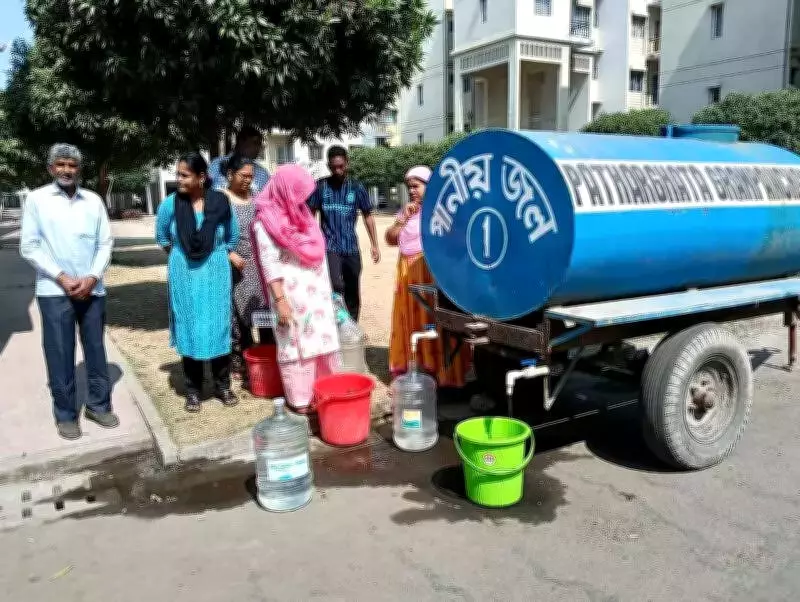
Residents, however, expressed frustration that the crisis is far from resolved. With water supply temporarily suspended during the clean-up, many families are struggling to manage daily needs. "We have been forced to carry water in buckets from the ground floor to the upper floors," said Neha Gupta, a resident whose daughter fell ill. She added that authorities have announced water supply will resume on Thursday morning, but with strict limitations: a circular issued states that even after resumption, water can only be used for toilet and flushing purposes, not for drinking, cooking, brushing, bathing, or washing dishes until further orders.
Resident Concerns and Structural Issues
Abdul Karim, another resident, raised alarms about potential structural vulnerabilities in the internal pipeline network. He noted that the pipeline carrying water from the underground reservoir to overhead tanks runs adjacent to sewerage lines, suggesting that even a small breach could lead to contamination. "If there is even a small breach in that pipeline, contamination is possible. Cleaning alone is not enough. The exact source must be identified immediately," Karim urged, highlighting the need for thorough investigation beyond surface-level clean-up.
Long-Term Maintenance Lapses and Responsibility
NKDA officials indicated that long-term maintenance lapses within the housing complex may have contributed to the contamination. "It appears the internal storage system, especially in E Block, was not properly maintained for years. We are conducting deep cleaning on humanitarian grounds, but regular upkeep is the responsibility of the housing management," an official explained. This statement underscores the broader issue of infrastructure neglect and the need for proactive maintenance to prevent such health hazards in the future.
As the clean-up continues, residents remain cautious, with many relying on alternative water sources for essential activities. The incident serves as a stark reminder of the critical importance of water safety and infrastructure integrity in urban housing developments.