

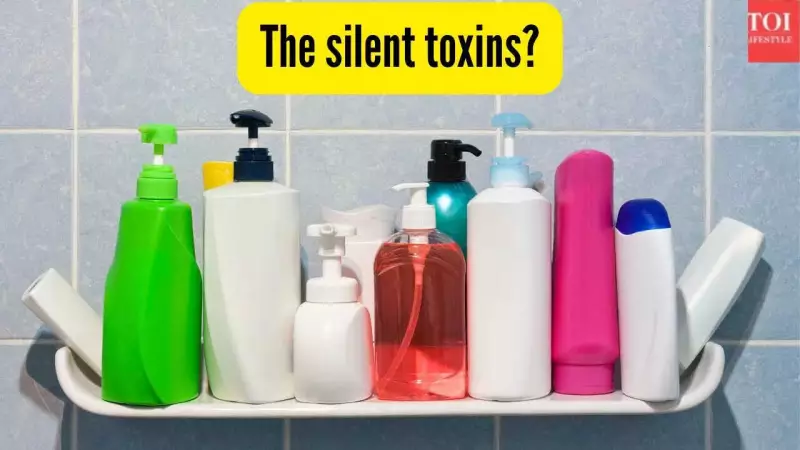
We Live Surrounded by Silent Toxins Without Even Realizing It
Take a moment to look around your home. Check your bathroom shelf, your kitchen cabinets, or your makeup bag. You will likely find numerous products containing chemicals that are legal but controversial. These substances often hide in plain sight, posing potential long-term risks to both human health and the environment.
Many people remain completely unaware of their presence. These are often called "silent toxins" because they do not cause immediate or obvious harm. Instead, their effects may accumulate over years of continuous exposure. This gradual impact makes them particularly insidious.
Understanding what these chemicals are and where they lurk is the first step toward making safer choices. Here, we explore ten common silent toxins that manufacturers do not always highlight.

1. Parabens: Preservatives in Personal Care
You can find parabens in many shampoos, lotions, and makeup products. Companies use them as preservatives to prevent mold and bacterial growth. However, frequent exposure might disrupt your hormone balance. To avoid them, look for products labeled as paraben-free.
2. Phthalates: The Scent Extenders
Phthalates often appear in fragrances, air fresheners, and nail polish. They help scents last longer. Research links prolonged exposure to hormonal issues. Choosing fragrance-free or phthalate-free items can reduce your risk.
3. Formaldehyde and Its Releasers
Formaldehyde is a known irritant found in hair straighteners, nail products, and cleaning agents. Studies indicate it can cause respiratory problems. Check ingredient lists carefully and avoid products with formaldehyde-releasing preservatives.
4. SLS and SLES: The Foam Makers
Sodium Lauryl Sulfate (SLS) and Sodium Laureth Sulfate (SLES) create foam in toothpaste, shampoos, and face washes. They can strip your skin of its natural oils, leading to dryness and irritation. Reading labels helps you steer clear of these ingredients.
5. Triclosan: The Antibacterial Agent
Triclosan appears in some antibacterial soaps and toothpastes. Concerns about hormone disruption and antibiotic resistance have led to bans in several countries. Always read labels before purchasing such products.
6. PFAS: The "Forever Chemicals"
PFAS, or per- and polyfluoroalkyl substances, accumulate in the body over time. You find them in non-stick cookware and food packaging. Research connects them to immune and metabolic issues. Opt for cast iron, stainless steel, or ceramic cookware instead.
7. Oxybenzone and Octinoxate in Sunscreens
These chemicals serve as UV filters in many sunscreens. While effective, they are controversial due to potential hormone disruption. They also harm coral reefs. Mineral sunscreens offer a safer alternative.
8. Artificial Fragrance or "Parfum"
The term "fragrance" on labels can mask dozens of hidden chemicals. Some of these may trigger headaches and skin allergies. Choose products with essential oils or those labeled as unscented.
9. Artificial Food Dyes Like Red 40 and Yellow 5
Synthetic colors brighten packaged snacks and drinks. They are linked to gut irritation and other health concerns. Using natural food colors is a healthier option.
10. BPA and BPS in Plastics
Bisphenol A (BPA) and its substitute BPS line many plastic bottles and food cans. They mimic estrogen in the body. Switch to glass, stainless steel, or BPA/BPS-free plastics to minimize exposure.
Making Informed Choices for a Healthier Life
Remember, the level of exposure matters significantly. You can take practical steps to reduce your contact with these silent toxins. Start by reading ingredient labels meticulously. Limit your use of fragranced products when possible. Avoid heating food in plastic containers.
Awareness is not about fostering fear. It is about empowering yourself with knowledge to make informed decisions. Small, conscious changes in your daily habits can lead to substantial long-term benefits for your health and the planet.
Prevention truly is better than cure. By staying attentive to the products you bring into your home, you take control of your well-being. Every informed choice contributes to a safer, healthier lifestyle for you and your family.






