For the vast majority of life on Earth, growing old is an inevitable journey marked by a gradual decline. Yet, in the wild, a select group of remarkable creatures appear to challenge this fundamental rule of biology. They either slow down the ageing process dramatically, avoid it altogether, or possess mechanisms to reverse it. Scientists refer to this phenomenon as negligible senescence, where an organism shows little to no deterioration in bodily functions or survival probability as time passes. While not immortal in the fantastical sense, these animals resist ageing in ways that captivate and inspire researchers seeking to understand the very nature of longevity.
Masters of Cellular Renewal
At the forefront of this biological defiance are organisms that have mastered the art of cellular repair and regeneration. The immortal jellyfish (Turritopsis dohrnii) stands as perhaps the most famous example. When faced with injury, disease, or simply old age, this jellyfish can perform a biological miracle: it can revert its adult cells back into a youthful polyp stage through a process called transdifferentiation. This essentially allows it to hit the reset button on its life cycle. In theory, this cycle could repeat indefinitely, granting it biological immortality, barring death from predators or illness.
Similarly, the tiny freshwater hydra presents a puzzle for traditional ageing theories. Its stem cells have a seemingly limitless capacity to divide and regenerate, preventing the organism from showing typical signs of ageing like reduced fertility or increased mortality. Some laboratory hydra colonies have thrived for decades without any observable ageing, making them a cornerstone specimen for scientific studies aimed at unlocking the secrets of sustained youth.
Giants of Slow and Steady Longevity
Moving to the vertebrate world, the Greenland shark embodies the principle of extreme slow living. This deep-sea dweller is estimated to live for well over 250 years, with some studies suggesting a lifespan exceeding 400 years. Their secret lies in an incredibly slow metabolism, coupled with the frigid, stable environment of the Arctic waters they inhabit. While they do age, the process is so gradual that they remain active and functional for centuries, offering a unique model for studying longevity in complex animals.
In the realm of molluscs, the unassuming ocean quahog clam holds a record for endurance. Researchers have found specimens living for more than 500 years. These clams age at an exceptionally slow rate, with their cells maintaining robust function over immense timescales. Scientists attribute their extraordinary lifespan to a superior ability to resist cellular damage and efficiently repair their tissues, a trait of immense interest to biogerontologists.
The Lobster's Telomerase Advantage
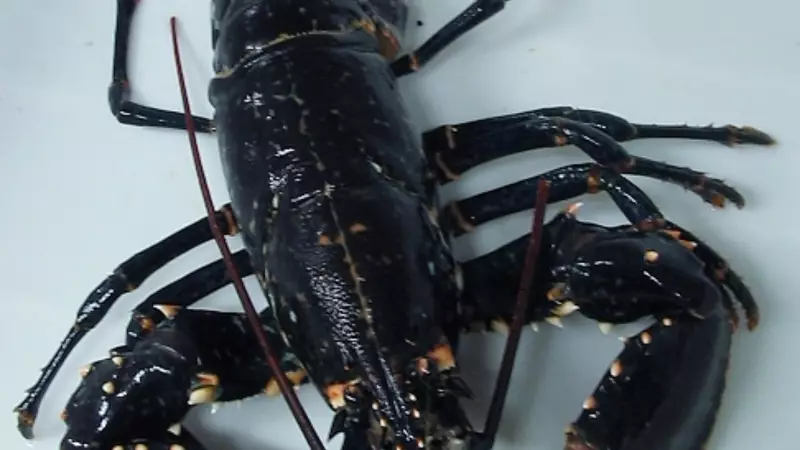
The common lobster exhibits a different kind of age resistance. Unlike most animals, lobsters do not appear to weaken or become less fertile as they grow older. They continue to grow, reproduce, and even regenerate lost limbs throughout their lives. This is largely due to high levels of an enzyme called telomerase, which protects the ends of their chromosomes (telomeres) from degrading during cell division—a key factor in ageing in many other species. Lobsters typically do not die from old age; instead, they succumb to the physical exhaustion of moulting their shells as they grow larger, or to disease and predation.
Why This Research Matters for Humanity
The study of these age-defying animals is far more than a biological curiosity. It provides crucial insights into fundamental processes like cellular repair, DNA damage management, and long-term tissue health. By deciphering the genetic and biochemical pathways that allow a jellyfish to reverse its age or a clam to live for five centuries, scientists hope to find clues that could one day help mitigate age-related diseases in humans, such as Alzheimer's, heart disease, and cancer. While the dream of human immortality remains in the realm of science fiction, nature, in its wisdom, has already written the first chapters of the manual on extended healthspan. These creatures are living libraries of biological data, holding potential answers to some of medicine's most pressing questions about ageing.