

5 Beautiful Flowers with Hidden Toxins: A Sweet Scent Can Mask Serious Danger
Flowers often brighten our days with their vibrant colors and enchanting fragrances, drawing us in for a closer look or a gentle sniff. However, nature sometimes conceals perilous warnings within these pretty petals. Beneath their charming exteriors, certain blooms harbor toxins that can transform a simple interaction into a serious health hazard. This article explores five stunning flowers that, despite their sweet smells, pose secret poisoning risks to humans and animals.
Lily of the Valley
Lily of the Valley features dainty, bell-shaped white flowers that emit a heavenly spring-like aroma, famously included in Kate Middleton's wedding bouquet. Yet, these delicate blossoms are loaded with over 30 cardiac glycosides, compounds that interfere with heart rhythms. Even a small taste or deep inhalation of their pollen can lead to symptoms such as vomiting, seizures, dizziness, blurred vision, and a slowed pulse. In severe untreated cases, this can be fatal, as noted in reports from MedlinePlus and WebMD on poisoning incidents. It is strongly advised to keep these flowers away from children and pets, as even the water from their vase can be hazardous.
Oleander
Oleander bushes burst with clusters of pink, red, or white flowers that radiate a tempting fragrance, commonly thriving in warm gardens worldwide. Every part of this plant, from its leaves to its nectar, contains oleandrin, a potent compound that can cause nausea, erratic heart rhythms, coma, or death. Burning its branches or consuming honey made from its nectar also spreads the danger, as highlighted in toxicology guides from Poison Control. This makes oleander a particularly deceptive threat in ornamental settings.

Foxglove
Tall foxglove stems dangle purple, pink, or white tubular flowers with a subtle fragrance, and they have inspired the development of the heart medication Digitalis. While this plant's natural compounds led to a life-saving drug, the raw foxglove remains highly toxic if ingested casually. It brims with cardiac glycosides that can trigger nausea, headaches, tremors, vision blur, and even heart failure from consumption of any part. Gardening Know How warns that even light contact with the plant can irritate the skin, adding to its hidden risks.
Angel’s Trumpet
Angel’s Trumpet features drooping yellow, pink, or white trumpet-shaped flowers that release a hypnotic scent at night. However, they are loaded with scopolamine and tropane alkaloids, which can cause delirium, paralysis, memory gaps, breathing failure, and terrifying hallucinations often described as "zombie-like" trips. Poison centers label this plant as super dangerous, popularly known as "devil's breath" for good reason, as even its pollen can pack a potent punch and lead to severe health issues.
Azalea
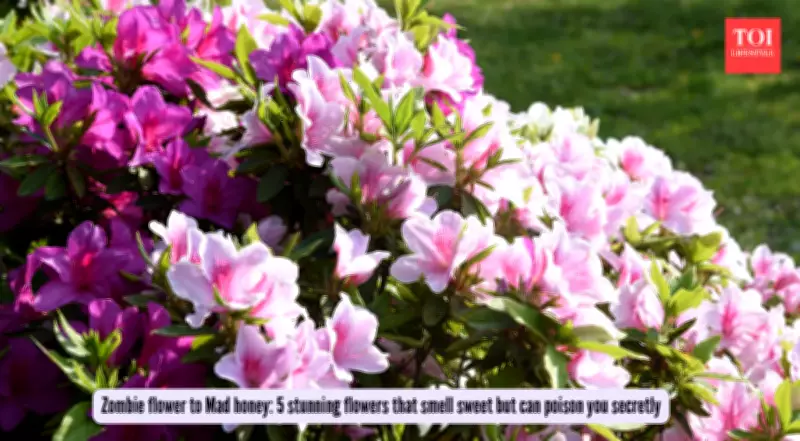
Azaleas are popularly found in vibrant pinks, oranges, and whites, emitting a soft sweet aroma. They contain grayanotoxins that can cause drooling, vomiting, low blood pressure, paralysis, and coma. Their nectar is used to produce "mad honey," which induces a disorienting buzz that can turn deadly in large doses, according to plant toxicity databases. All parts of the azalea plant are poisonous to both humans and animals, making it a deceptive addition to gardens and floral arrangements.
In summary, while these flowers may captivate with their beauty and fragrance, it is crucial to recognize their hidden dangers. Awareness and caution can help prevent accidental poisoning, ensuring that our appreciation of nature remains safe and enjoyable.






