

The Silent Threat to Your Liver: 5 Beverages You Should Avoid
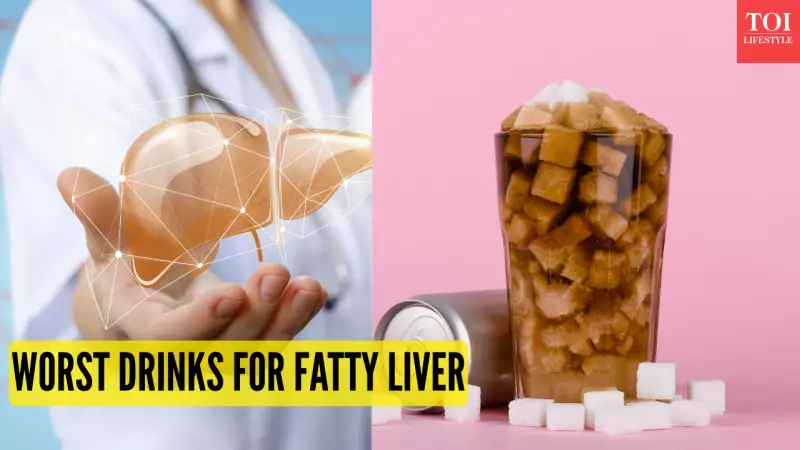
Fatty liver disease has emerged as a significant global health concern, largely driven by modern dietary habits and beverage consumption patterns. While most people focus on solid foods when considering their diet, the liquids they consume play an equally crucial role in liver health. Recent medical research has identified several common drinks that actively contribute to fat accumulation, inflammation, and progressive liver damage.
Understanding the Liver Damage Mechanism
The liver serves as the body's primary detoxification organ, processing everything we consume. When overwhelmed by harmful substances, it begins storing excess fat, leading to non-alcoholic fatty liver disease (NAFLD). This condition can progress to more severe stages including cirrhosis and liver cancer if left unaddressed.
The 5 Worst Offenders for Liver Health
Sugary Soft Drinks Top the List

Sugary carbonated beverages represent one of the most dangerous drinks for liver health. These fizzy drinks contain massive amounts of fructose, primarily from high-fructose corn syrup, which the liver rapidly converts into fat. Studies published in Science Direct confirm that daily consumption of sugary sodas significantly increases liver fat content and inflammation, effectively doubling the risk of developing NAFLD.
Deceptively Dangerous Fruit Juices
Packaged fruit juices often masquerade as healthy options while containing sugar levels comparable to soft drinks. The absence of natural fiber found in whole fruits causes rapid spikes in blood sugar and insulin levels. Research indicates these beverages promote hepatic lipogenesis - the liver's production of fat from sugars - significantly worsening fatty liver conditions. People who regularly consume fruit juices show higher likelihood of NAFLD according to the Fatty Liver Index (FLI).
Alcohol's Well-Known Liver Toxicity
Alcohol remains the most recognized liver toxin, capable of causing conditions ranging from fatty liver to cirrhosis and liver cancer. Recent Mayo Clinic research demonstrates that even moderate alcohol consumption disrupts crucial fat-metabolizing enzymes in the liver. This disruption leads to protein accumulation, oxidative stress, inflammation, and accelerated fat buildup, progressing both alcoholic and non-alcoholic fatty liver disease.
Energy Drinks: Emerging Liver Health Concern
Energy drinks present a growing threat to liver function due to their dangerous combination of high sugar content, caffeine, and various stimulants. Animal and clinical studies reveal that energy drink consumption significantly elevates liver enzymes - key indicators of liver damage - while increasing fat deposition and inflammation. Unlike ordinary sodas, energy drinks create additional metabolic stress throughout the body, making them particularly harmful for individuals with existing fatty liver conditions.
Sweetened Iced Teas: The Hidden Danger
Sweetened iced teas often escape scrutiny despite containing sugar levels equivalent to soft drinks. Most commercially available iced teas contain substantial added sugars that trigger insulin release and promote fat storage in the liver. Research confirms that frequent consumption of sweetened tea produces negative effects similar to soda and packaged fruit juices. Marketing claims about these drinks being "natural" or "healthy" can be dangerously misleading.
Protecting Your Liver: Practical Recommendations
Medical experts strongly recommend minimizing or completely avoiding these five beverage categories to reduce liver fat accumulation, decrease inflammation, and prevent progression to more serious liver conditions. For optimal liver health and metabolic balance, healthcare professionals suggest switching to water, unsweetened tea varieties, and plain coffee. Making these simple beverage substitutions can significantly improve liver function and overall metabolic health.






