

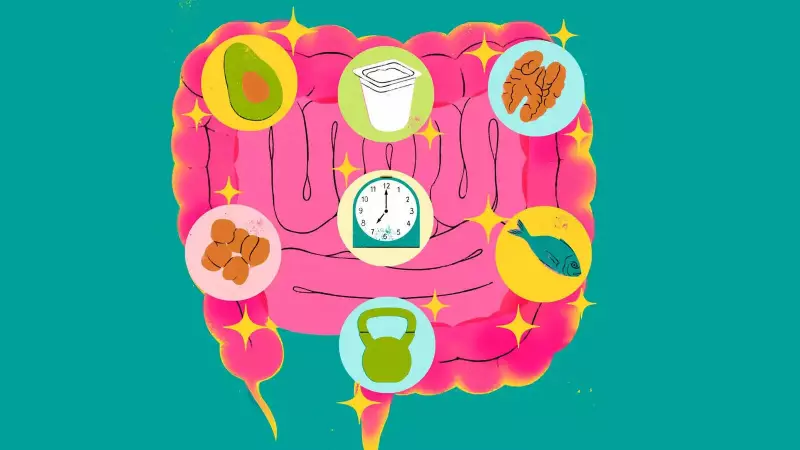
A healthy gut is the cornerstone of overall well-being, influencing everything from digestion and immunity to mood and energy levels. The complex community of microorganisms living in your digestive system, known as the gut microbiome, plays a crucial role in your health. Fortunately, you can take proactive steps to nurture this internal ecosystem. Here are seven powerful, evidence-based strategies to boost your gut health naturally.
Nourish Your Gut with the Right Foods
The food you eat directly feeds the trillions of bacteria in your gut. To promote a diverse and healthy microbiome, focus on incorporating specific types of foods into your daily diet.
First, prioritize fiber-rich foods. Dietary fiber acts as a prebiotic, which is essentially food for the beneficial bacteria in your colon. Excellent sources include fruits like bananas and apples, vegetables such as broccoli, garlic, and onions, and whole grains like oats and barley. Aim for a variety of these foods to support different bacterial strains.

Second, embrace fermented foods. These are natural sources of probiotics, the live beneficial bacteria themselves. Regularly consuming items like yogurt (with live cultures), traditional buttermilk (chaas), kimchi, sauerkraut, kefir, and kombucha can help introduce and maintain good bacteria in your digestive tract. This can enhance digestion and strengthen your gut lining.
Adopt Gut-Friendly Lifestyle Habits
Beyond diet, daily habits significantly impact the balance of your gut microbiome. Simple changes can yield substantial long-term benefits for your digestive health.
Staying adequately hydrated is fundamental. Drinking sufficient water throughout the day aids in the digestion of food and the absorption of nutrients. It also helps maintain the mucosal lining of the intestines and supports the balance of good bacteria. Herbal teas and infused water are also excellent choices.
Managing stress is non-negotiable for gut health. High stress levels can disrupt the delicate balance of your gut bacteria and exacerbate conditions like irritable bowel syndrome (IBS). Incorporate stress-reduction techniques such as meditation, deep breathing exercises, yoga, or even regular walks in nature. These practices can calm your mind and, in turn, soothe your gut.
Prioritizing quality sleep is another key pillar. Poor or irregular sleep patterns can negatively affect your gut microbiome and increase susceptibility to inflammation. Aim for 7-8 hours of uninterrupted sleep each night to allow your body, including your digestive system, to repair and regenerate.
Exercise and Mindful Eating for Digestive Wellness
Physical activity and how you eat are often overlooked aspects of digestive health that hold immense power.
Regular physical exercise does more than keep you fit. It promotes the growth of beneficial gut bacteria and enhances the diversity of your microbiome. Activities like brisk walking, cycling, swimming, or even dancing can help food move through your digestive system more efficiently, reducing bloating and constipation.
Finally, practice mindful eating. Eating slowly, chewing your food thoroughly, and paying attention to your meals without distractions like TV or phones can dramatically improve digestion. This process allows your body to properly break down food and signal fullness, preventing overeating and reducing digestive discomfort.
By consistently integrating these seven strategies—eating fiber and fermented foods, drinking water, managing stress, sleeping well, exercising, and eating mindfully—you can cultivate a resilient and healthy gut. This foundation will not only improve your digestive comfort but also strengthen your immune system and contribute to your overall vitality. Start with one or two changes and gradually build a lifestyle that supports your gut health for the long term.






