

7 Powerful Health Benefits of Eating Sprouts Regularly
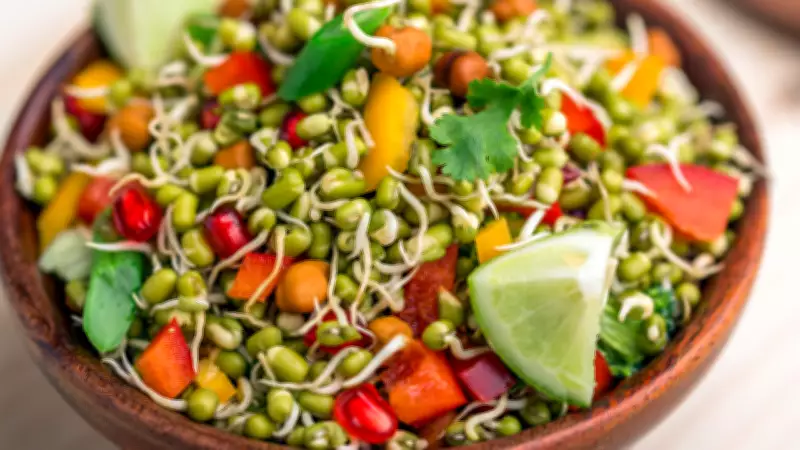
In the bustling landscape of modern nutrition, sprouts often occupy a quiet corner of the plate—a modest pile of crisp stems, delicate pale shoots, perhaps enhanced with a squeeze of lemon or a sprinkle of spices. Yet, for generations, especially within Indian kitchens where simplicity carries profound nutritional wisdom, sprouts have maintained a steadfast presence. What elevates sprouts from ordinary to extraordinary is the remarkable biological transformation that occurs before they ever grace your bowl. When seeds begin to germinate, their internal chemistry undergoes a significant shift: enzymes activate, stored nutrients break down into more accessible forms, and the emerging young shoot becomes notably easier for the body to digest and absorb. This subtle yet powerful change converts a simple seed into a concentrated powerhouse of vitamins, minerals, and plant-based protein. Here, we explore the compelling benefits of making sprouts a regular part of your diet.
A Nutrient Upgrade in a Tiny Package
The foremost reason sprouts deserve a prominent place on your plate is their exceptional nutrient density. During the sprouting process, natural barriers that typically limit nutrient absorption begin to dissolve. According to insights from Harvard Health, sprouted grains may offer increased availability of essential nutrients such as folate, iron, vitamin C, zinc, magnesium, and protein compared to their mature counterparts. This enhancement stems from the germination process altering the seed's structural composition. While sprouts are not a miraculous cure-all, they represent a smart, nutrient-rich addition to any balanced diet.
Enhanced Absorption of Key Nutrients
Sprouting not only boosts nutrient content but also improves the body's ability to utilize these nutrients effectively. During germination, compounds like phytic acid, which can hinder mineral absorption, start to break down. Concurrently, levels of certain nutrients, including B vitamins and vitamin C, often increase in both quantity and bioavailability. In practical terms, this means that the nutritional value of sprouts extends beyond mere composition; they are designed for optimal absorption and utilization once consumed.

Easier on Digestion
For many individuals, sprouts offer a lighter, more digestible alternative to fully mature legumes or grains. Take lentils, for example: while cooking is typically required to make them digestible, sprouting transforms their structure into a softer, more palatable form. This change is why sprouted lentils are often described as fresh, grassy, and satisfying without the heavy aftereffect. If your meals sometimes leave you feeling sluggish, incorporating sprouts can add substance and nutrition without compromising digestive comfort.
A Stronger Antioxidant Profile
Sprouts are increasingly capturing scientific interest due to their rich array of plant compounds. A comprehensive 2021 review published in the journal Plants highlighted that edible sprouts are abundant in phytochemicals, many of which exhibit potent antioxidant activity. The review specifically points to phenolic and non-phenolic compounds in sprouts, including vitamin C and glucosinolate-related compounds found in varieties like broccoli and red cabbage sprouts, as key contributors to this effect. Antioxidants play a crucial role in combating oxidative stress, a biological process linked to long-term disease risk, making sprouts a valuable dietary component for overall health.
Potential Support for Blood Sugar Control
Sprouts may also align well with dietary strategies aimed at managing blood sugar levels. The same 2021 review notes that natural antioxidants in plant sprouts could help inhibit enzymes responsible for breaking down carbohydrates into simpler sugars. It further cites studies where broccoli sprout extract demonstrated a reduction in advanced glycation end-products in laboratory settings. While this does not equate to sprouts being a treatment for diabetes, it strongly suggests their supportive role in a blood-sugar-conscious eating plan.

A Heart-Friendly Addition to Your Plate
Emerging evidence indicates that sprouted foods may contribute positively to heart health. Some studies suggest that sprouted seeds possess hypocholesterolemic properties, potentially aiding in lowering cholesterol levels and mitigating certain cardiovascular risks. Additional research has associated cruciferous vegetables, such as broccoli and Brussels sprouts, with reduced levels of calcified plaque in the aorta, though this does not establish a direct disease-preventing effect. Nevertheless, sprouts can be a beneficial and practical inclusion in a heart-healthy diet centered around plant-based foods.
A Simple Way to Eat More Vegetables
The final benefit, while less dramatic, is arguably the most practical: sprouts make healthy eating more sustainable and accessible. They effortlessly add crunch to salads, freshness to sandwiches, and texture to stir-fries and grain bowls. As noted on Harvard's sprouted lentil resource, a mere half-cup serving provides a substantial amount of protein, fiber, and potassium, helping to explain why sprouts can make any dish feel more complete and nourishing. In everyday life, foods that are easy to incorporate into routine meals are often the ones people consistently enjoy and maintain in their diets.





