

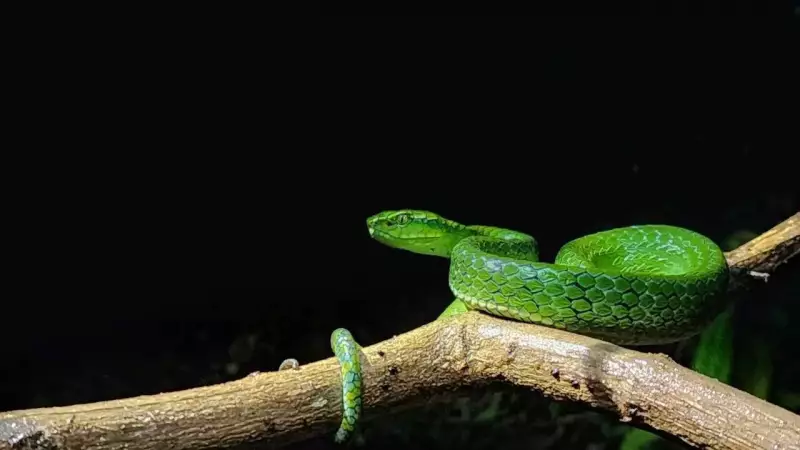
When people think about snakes, they usually picture warm, tropical environments. Jungles, deserts, and sun-drenched forests come to mind. But nature constantly surprises us. Some snake species not only survive cold temperatures but actually flourish in climates much chillier than anyone would expect.
How Snakes Beat the Cold
These remarkable reptiles employ smart survival strategies. They use a process called brumation, which is similar to hibernation in mammals. During brumation, snakes gather in large communal dens. They dig deep burrows or find existing shelters. Their metabolism slows down significantly. This allows them to endure long winters and temperatures that drop below freezing.
Their incredible resilience challenges our assumptions. It makes us question whether heat is truly the default setting for all reptiles. Let's explore seven fascinating snakes that stand tall against frost, snow, and bone-chilling cold.

7 Snakes That Survive Extreme Cold
Below is a detailed list of snakes that handle freezing temperatures with impressive ease.
Common Garter Snake
The Common Garter Snake holds a special place in North America. This species ranges from the southern United States all the way up to Canada. These areas experience prolonged winter months. When winter arrives, garter snakes migrate to underground communal dens. Scientists call these dens hibernacula.
Inside these shelters, the snakes enter brumation. This state helps them conserve energy. It also helps them maintain a warmer body temperature despite the chilly weather outside. On occasional warm afternoons, they might surface to bask in the sun. Then they retreat back into their sheltered dens.
European Adder
The European Adder demonstrates remarkable resilience in cold climates. This tough, venomous snake survives in cold, temperate regions across Europe. Its range even includes some areas above the Arctic Circle.
During the cold months, the European Adder dramatically reduces its metabolic rate. This adaptation allows it to survive for several months underground. It hides in rocky crevices or abandoned rodent burrows. These spots maintain temperatures above freezing, providing crucial protection.
Northern Water Snake
The Northern Water Snake thrives in swamplands, rivers, and lakes. Its habitat spans the eastern and central parts of North America. These regions include shorelines that turn icy cold in winter.
Instead of facing the exposed, frigid environment, this semi-aquatic species seeks protected areas. It moves to underwater tree roots, streamside habitats, or burrows. There, it enters brumation. When spring and summer return, these snakes bask in sunny spots. They make the most of warmer days before cold weather arrives again.
Siberian Pit Viper
The Siberian Pit Viper proves that snakes can endure extreme cold. This species lives in the harsh climate of Siberia. To survive winter, it burrows deep into the earth below the frost line. It also uses existing holes and rocky crevices as shelters.
Despite the cold, this snake remains an active and skilled hunter. It sustains itself by adapting brilliantly to a frigid climate.
Bullsnake
The Bullsnake, also known as the gopher snake in some areas, occupies a broad range in Western North America. This includes regions with quite low winter temperatures.
While not exclusive to cold zones, bullsnakes withstand substantial temperature variations. They burrow or curl up in thermally insulated dens during cold periods. Their ability to survive in both warm and cold areas within their range shows their opportunistic nature. They cope with a wide spectrum of temperatures.
Western Massasauga
The Western Massasauga is a small but robust rattlesnake. It primarily resides in meadow regions of the western United States. This species has an interesting winter strategy. It hibernates underground, sometimes sharing space with other reptiles in a single warm spot.
These communal spots offer temperatures that the surface cannot provide. Despite its cold climate adaptations, this snake retains the classic rattle and defensive traits of other rattlesnakes.

Western Fox Snake
The Western Fox Snake is a resourceful traveler. Its range includes the Midwest and western Canada. During winter, these snakes hide in protected habitats where frost cannot reach them.
When spring arrives, they emerge to hunt. Their favorite meals include rodents, birds, and eggs. People often call them "mimicking rattlesnakes" because of their defense mechanisms. Their intelligence combines perfectly with unique escape measures.
These seven snakes offer powerful proof. Nature's adaptability truly knows no limits. They thrive where few would expect, reminding us of life's incredible resilience.





