

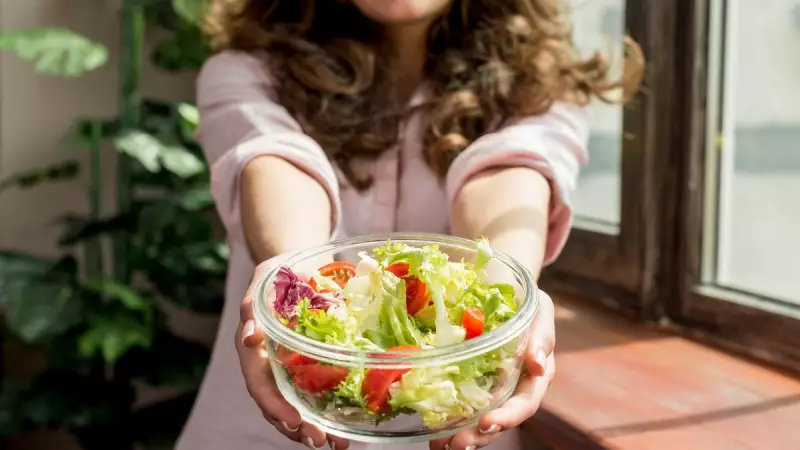
A significant transformation is sweeping across India's dietary landscape, driven by its youth. A recent study forecasts that a staggering 70% of young Indians aged 18 to 35 will fully adopt a clean eating lifestyle by the year 2026. This marks a profound departure from traditional food habits and underscores a growing national consciousness about health, sustainability, and holistic well-being.
What is Fueling the Clean Eating Revolution?
The shift towards clean eating is not a random occurrence but a response to multiple converging factors. A primary driver is the increased prevalence of lifestyle-related health issues among younger populations. Faced with rising concerns about obesity, diabetes, and heart health, India's youth are proactively seeking dietary solutions. This movement is heavily amplified by the power of social media and digital content, where influencers and wellness experts constantly promote the benefits of whole, unprocessed foods.
Furthermore, there is a heightened awareness regarding the environmental and ethical implications of food choices. Young consumers are increasingly questioning the origins of their food, opting for locally sourced, seasonal produce and showing greater concern for animal welfare and sustainable farming practices. The clean eating trend, therefore, represents a fusion of personal health goals with broader planetary consciousness.

Defining the New Indian Plate: Beyond Just Salads
It is crucial to understand that 'clean eating' in the Indian context is a nuanced adaptation, not a mere copy of Western trends. For young Indians, it involves a mindful reinterpretation of traditional cuisine. This means prioritizing home-cooked meals made from scratch, using whole grains like millets and quinoa alongside traditional staples, and incorporating a vibrant array of vegetables and legumes.
The focus is on minimizing ultra-processed foods, refined sugars, and unhealthy fats. However, it does not necessarily imply abandoning cherished flavors. Instead, it's about creating healthier versions of classic dishes—baking instead of deep-frying, using jaggery or natural sweeteners in moderation, and amplifying the use of herbs and spices known for their medicinal properties. The trend also sees a strong uptake of plant-based meals and a more intentional consumption of meat and dairy.
The Broader Impact and Future of Food in India
This large-scale lifestyle shift is poised to create ripple effects across various sectors. The food and beverage industry is already responding with a surge in demand for organic products, healthy snacks, and transparent labeling. Restaurants and food delivery platforms are curating extensive 'healthy' and 'guilt-free' menus to cater to this burgeoning demographic.
From a public health perspective, this trend holds promising potential. If sustained, it could lead to a measurable decrease in the incidence of non-communicable diseases in the coming decades, easing the burden on the nation's healthcare system. The movement also empowers individuals, fostering a sense of control and responsibility for one's own health journey.
In conclusion, the prediction that 70% of young Indians will embrace clean eating by 2026 signals a powerful and positive change. It reflects a generation that is informed, health-conscious, and ready to redefine wellness on its own terms, blending global concepts with India's rich culinary heritage to forge a healthier future.






