Maintaining a clean home goes far beyond mere visual appeal; it is a fundamental pillar of your family's health and comfort. However, even with regular sweeping and mopping, numerous high-traffic zones in our houses become rapid breeding grounds for bacteria, dust, and grime. The issue isn't necessarily poor cleaning habits but the consistent overlooking of these critical areas. To safeguard your well-being, here are eight of the filthiest spots that demand your daily attention.
The Kitchen: A Hotspot for Hidden Germs
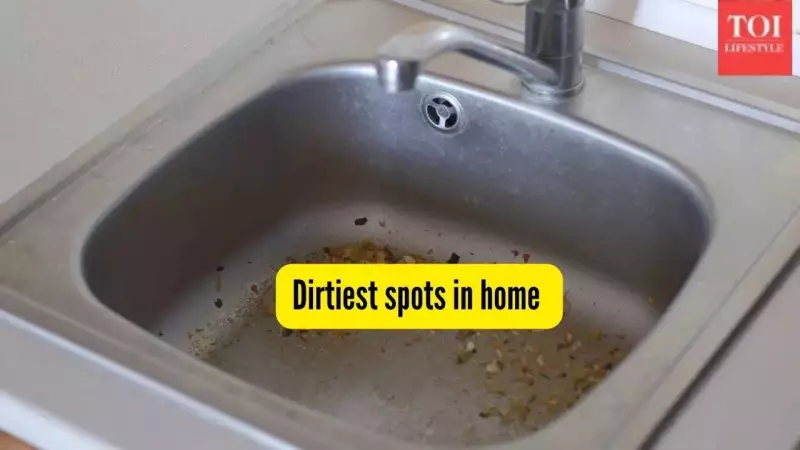
Contrary to popular belief, the kitchen sink and its faucet handles rank among the dirtiest surfaces in any household. Multiple hygiene studies have revealed a startling fact: kitchen sinks often harbour more bacteria than a toilet seat. This alarming statistic stems from the constant exposure to raw food residues and persistent moisture, creating an ideal environment for harmful microbes to multiply.
Why daily cleaning is non-negotiable: A daily scrub prevents bacterial contamination, curbs unpleasant odours, and stops microbial buildup. Make it a habit to rinse faucet handles with hot water and a mild disinfectant every day.

Similarly, chopping boards, whether wooden or plastic, are prime culprits. Used daily for cutting meats, vegetables, and bread, they quickly develop microscopic cuts that trap bacteria.
The daily defence: Washing boards with hot, soapy water after each use drastically reduces the risk of food poisoning and prevents bad smells. After handling raw meat, sanitise them further with a diluted vinegar or lemon solution.
Often forgotten, kitchen sponges and dishcloths are meant to clean but ironically become reservoirs for pathogens. Their damp nature and trapped food particles make them a bacterial paradise.
Daily action required: To prevent exponential bacterial growth overnight, soak them in a boiling water and detergent solution. Replace sponges weekly and change dishcloths daily, tossing used ones directly into the laundry.
High-Touch Surfaces: The Invisible Threat
Our constant companions, mobile phones, TV remotes, and AC remotes, are among the most contaminated items we touch. We handle them dozens of times a day, often with unwashed hands, transferring germs from bathrooms, food, and pets. Research confirms that mobile devices can carry more bacteria than a toilet seat.
The simple daily fix: Use a microfiber cloth lightly dampened with 70% isopropyl alcohol (safe for electronics) to wipe these surfaces daily, breaking the chain of germ transfer.
Light switches and doorknobs act as communal serving plates for germs, facilitating the movement of viruses and bacteria from person to person throughout the home.
Keep them safe: A quick daily wipe with a disinfectant spray or wipe on light switches and handles can significantly curb the spread of illness.
Bathroom & Pet Zones: Dampness and Daily Use
The bathroom's humid atmosphere is a perfect incubator for bacteria and mold. Faucets, handles, and soap dispensers are touched constantly, spreading germs across surfaces.
Daily ritual: A swift wipe with a disinfectant cloth at the end of the day can control mold formation in crevices and stop bacterial transmission.
The toilet flush handle needs little explanation for its filth potential. It's used frequently, often before hands are washed, making it a key point for infection-causing microbes.
Essential hygiene step: Daily sanitisation with a disinfectant spray or wipe removes harmful microbes and reduces the airborne spread of bacteria after flushing. Extend this practice to bathroom door handles as well.
For pet owners, feeding bowls and the surrounding area can quickly become bacteria-friendly zones due to a mix of food and saliva.
For your pet's health: Wash pet bowls with hot water and soap after every meal to prevent food contamination and eliminate odours. Regularly sanitise the feeding area to avoid sticky buildup.

Incorporating these quick daily routines doesn't require heavy scrubbing but makes a profound difference. A deep clean weekly is excellent, but consistent daily hygiene on these overlooked spots is what truly transforms a clean house into a healthy home.