

Top 9 Natural Sweetener Substitutes for Processed Sugar
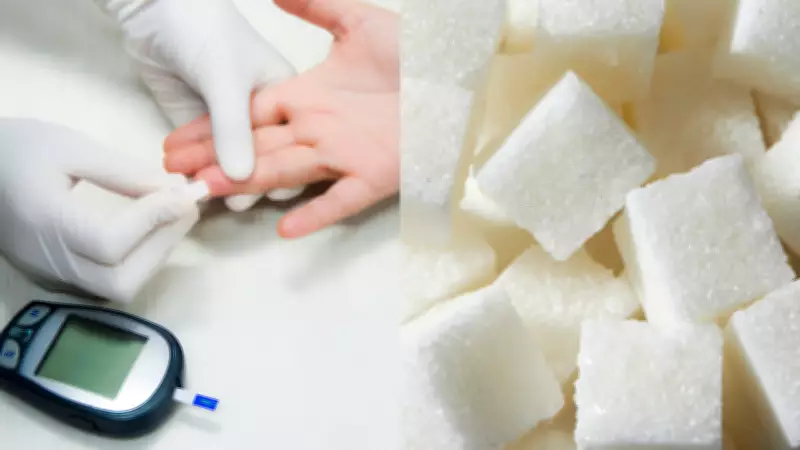
In today's health-conscious world, many people are seeking alternatives to processed sugar to reduce health risks and improve overall wellness. Processed sugar is linked to obesity, diabetes, and heart disease, making natural sweeteners a popular choice. This article explores nine of the best natural substitutes that not only sweeten your food but also offer additional health benefits.
1. Stevia
Stevia is a zero-calorie sweetener derived from the leaves of the Stevia rebaudiana plant. It is significantly sweeter than sugar, so only small amounts are needed. Stevia does not raise blood sugar levels, making it an excellent option for diabetics and those managing weight. It is available in liquid, powder, and granulated forms, suitable for beverages and baking.
2. Honey
Honey is a natural sweetener produced by bees from flower nectar. It contains antioxidants, vitamins, and minerals, offering antibacterial and anti-inflammatory properties. Raw, unprocessed honey is the healthiest choice, as it retains more nutrients. Use it in teas, dressings, or as a topping, but note it has a higher calorie content than some alternatives.

3. Maple Syrup
Maple syrup is made from the sap of maple trees and is rich in antioxidants like manganese and zinc. It has a distinct flavor that works well in pancakes, oatmeal, and baked goods. Choose pure maple syrup over imitation versions to avoid added sugars and maximize health benefits.
4. Coconut Sugar
Coconut sugar is derived from the sap of coconut palm trees and contains small amounts of nutrients like iron, zinc, and potassium. It has a lower glycemic index than regular sugar, causing a slower rise in blood sugar levels. Its caramel-like taste makes it ideal for desserts and coffee.
5. Date Sugar
Date sugar is made from dried, ground dates and is rich in fiber, antioxidants, and minerals such as potassium and magnesium. It does not dissolve easily, so it is best used in baking or as a topping. Date sugar provides a natural sweetness with added nutritional value.
6. Monk Fruit Sweetener
Monk fruit sweetener comes from the monk fruit, a small melon native to Southeast Asia. It is zero-calorie and does not affect blood sugar levels, similar to stevia. It is often blended with other sweeteners to reduce aftertaste and is suitable for beverages and cooking.
7. Agave Nectar
Agave nectar is extracted from the agave plant and is sweeter than sugar, so less is needed. It has a low glycemic index, but it is high in fructose, which should be consumed in moderation. Use it in smoothies, sauces, or as a syrup substitute.
8. Molasses
Molasses is a byproduct of sugar refining and is rich in iron, calcium, and magnesium. It has a robust, bittersweet flavor that enhances baked goods like gingerbread and cookies. Blackstrap molasses is the most nutrient-dense variety.
9. Yacon Syrup
Yacon syrup is derived from the yacon plant's roots and is high in fructooligosaccharides, which act as prebiotics to support gut health. It has a low glycemic index and can be used in dressings or as a sweetener for beverages.
Benefits of Switching to Natural Sweeteners
Natural sweeteners often contain vitamins, minerals, and antioxidants that processed sugar lacks. They can help reduce the risk of chronic diseases, support weight management, and improve digestive health. However, moderation is key, as some natural sweeteners are still high in calories or fructose.
How to Incorporate Natural Sweeteners into Your Diet
Start by replacing sugar in your daily beverages like tea or coffee with stevia or honey. Experiment with baking using maple syrup or coconut sugar, adjusting recipes for moisture and sweetness levels. Always read labels to avoid products with added sugars or artificial ingredients.
Conclusion: Transitioning to natural sweeteners can enhance your health while satisfying your sweet tooth. By choosing options like stevia, honey, or maple syrup, you can enjoy sweetness without the negative effects of processed sugar. Remember to use these substitutes in moderation as part of a balanced diet for optimal benefits.






