

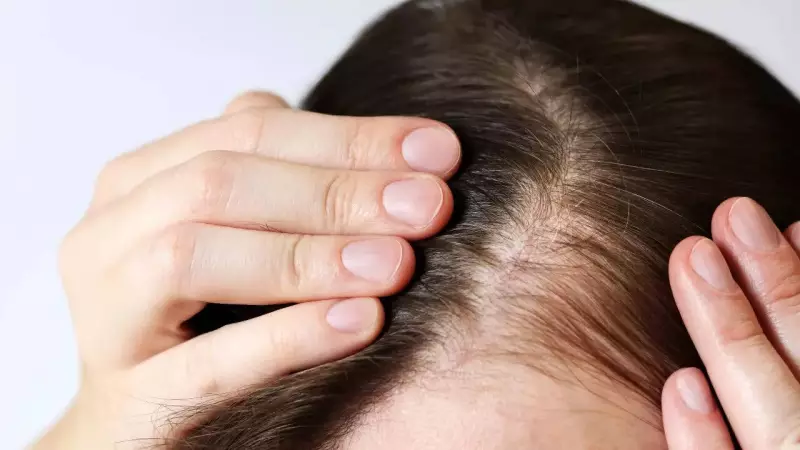
Your face serves as a powerful indicator of your internal hormonal health, displaying visible clues that can reveal underlying imbalances in your endocrine system. Medical experts emphasize that changes in facial features, hair patterns, and skin texture often reflect fluctuations in crucial hormones including thyroid hormones, estrogen, testosterone, DHEA, and progesterone.
Hair and Eyebrow Changes Signal Thyroid Issues
Thinning hair and eyebrow loss represent some of the most recognizable signs of hormonal disturbances. According to research published in Cureus journal, thyroid hormone imbalances significantly impact hair health, causing noticeable hair loss across the scalp, eyebrows, and body. The outer third of eyebrows thinning specifically, known as the "Sign of Hertoghe," serves as a reliable early indicator of thyroid hormone deficiency identified by endocrinologists.
Eyelash loss also points toward potential hormonal problems, with both underactive and overactive thyroid conditions contributing to thinning lashes. Age-related declines in sex hormones like estrogen and testosterone can further accelerate eyelash loss, making this symptom particularly important to monitor during midlife.

Eye and Lip Changes Reflect Sex Hormone Status
Dry or watery eyes might indicate more than environmental irritants. A study in PubMed Central confirms that proper tear production depends on balanced levels of testosterone, DHEA, progesterone, and estrogens. When these hormones become imbalanced, the fatty layer of tears that keeps eyes lubricated becomes disrupted, leading to discomfort, dryness, or excessive tearing.
Similarly, vertical lip lines and persistent dryness often signal declining estrogen levels during menopause. These hormones maintain lip volume, elasticity, and hydration, and their reduction leads to thinner lips and more prominent fine lines. Some healthcare providers recommend topical progesterone creams to improve lip texture affected by hormonal changes.
Facial Structure and Skin Tone Reveal Systemic Imbalances
Unexpected chin hair growth in women typically indicates rising androgen activity as estrogen and progesterone levels decline during perimenopause and menopause. This occurs because reduced production of sex hormone-binding globulin allows more free testosterone-like hormones to stimulate coarse hair growth on the chin and face.
Facial pallor and sagging cheeks can reflect broader hormonal deficiencies. Pale, lackluster skin often suggests compromised thyroid function that reduces circulation and skin oxygenation. Sagging facial contours may result from deficiencies in androgenic hormones including DHEA, testosterone, dihydrotestosterone, and growth hormone.
Even nasal congestion and the development of horizontal nose creases can indicate hormonal fluctuations, particularly mid-cycle estrogen peaks that affect nasal airflow according to research in Diagnostics Journal.
Skin Hydration and Overall Implications
Dehydrated or tight facial skin might indicate deeper hormonal issues beyond simple moisture deficiency. Adequate mineral intake from natural whole salts supports adrenal gland function and affects multiple hormones including DHEA, progesterone, cortisol, aldosterone, estrogens, pregnenolone, and testosterone. Since thyroid function closely connects to adrenal health, skin appearance can serve as an early warning system for multiple hormonal imbalances.
Medical professionals emphasize that paying attention to these facial signs becomes increasingly important with age, as early detection of hormone imbalances allows for timely intervention. Addressing these changes promptly not only improves physical appearance but also supports energy levels, mood stability, metabolic function, and overall well-being.
Disclaimer: This information serves general educational purposes only and cannot replace professional medical advice, diagnosis, or treatment. Always consult qualified healthcare providers regarding medical conditions or lifestyle changes.






