

Ahmedabad Teen's Remarkable 35kg Weight Loss Journey
In a compelling case from Ahmedabad, an 18-year-old patient has undergone a dramatic physical transformation under medical supervision. When he first visited endocrinologist Dr. Vivek Arya's clinic, the teenager weighed a staggering 120 kilograms. Standing at just 5 feet 5 inches tall, his body mass index (BMI) was approximately 40, placing him firmly in the morbidly obese category.
Today, after consistent treatment and lifestyle changes, he weighs 85 kilograms—a reduction of 35 kilograms that has profoundly impacted his health and confidence.
Medical Intervention After Failed Lifestyle Attempts
"The family initially tried diet control and encouraged daily physical activities like football," explained Dr. Arya. "However, when these traditional methods proved ineffective, they sought professional medical advice."

The medical team implemented a comprehensive approach combining glucagon-like peptide (GLP)-1 treatment with counseling and lifestyle modification programs. This combination helped the teenager lose approximately 3 kilograms per month consistently.
"The weight reduction has been transformative," Dr. Arya emphasized. "He has gained significant confidence and become much more active in his daily life."
Growing Adolescent Obesity Crisis in India
This case emerges as World Obesity Day approaches on March 3, with this year's theme—"8 billion reasons to act on obesity"—highlighting the urgent need to address weight-related health issues globally. The theme resonates particularly with adolescents and teenagers, who represent one of the most vulnerable demographic groups facing obesity-related challenges.
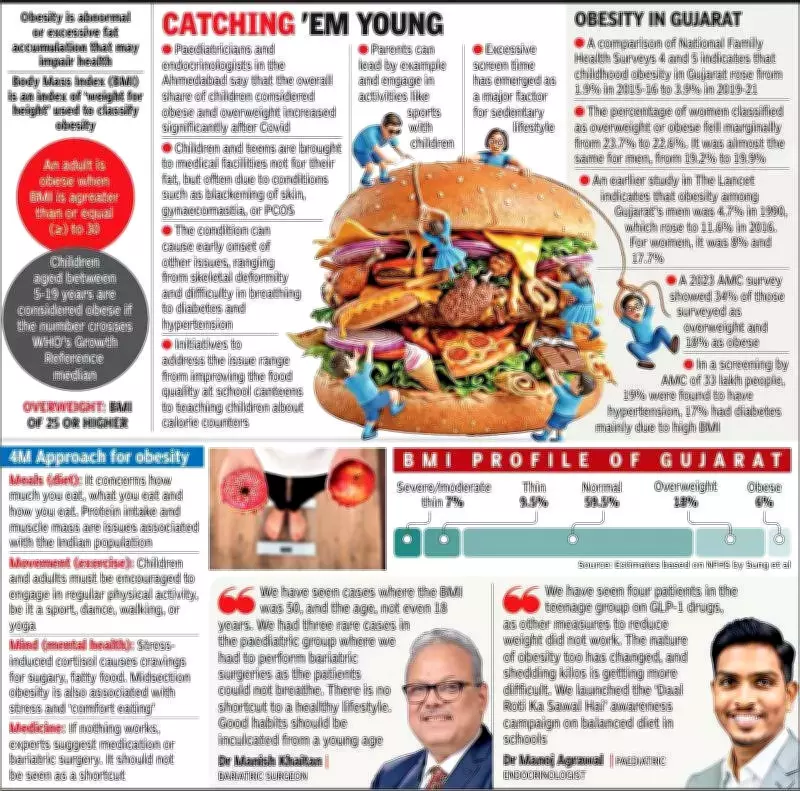
Dr. Sanjeev Phatak, another Ahmedabad-based endocrinologist, confirmed the troubling trend: "We are witnessing a significant increase in children and teenagers seeking medical intervention for obesity. While lifestyle modifications alone previously managed most patients under 18, the current situation demands more aggressive approaches."
The expert identified multiple contributing factors:
- Sedentary lifestyles with minimal physical activity
- Excessive screen time replacing outdoor play
- Increased consumption of processed and ultra-processed foods
- Reduced emphasis on traditional dietary patterns
"These combined factors have left us with no choice but to resort to medication in several cases," Dr. Phatak noted, while acknowledging that disciplined teenagers can still achieve weight loss through diet and exercise alone in some instances.
Understanding GLP-1 Treatment for Adolescent Obesity
GLP-1 is a naturally occurring hormone that regulates blood sugar levels, promotes feelings of fullness (satiety), and slows gastric emptying. When administered as medication under various brand names, it mimics these hormonal functions by effectively reducing appetite.
This treatment has received approval for use in pediatric populations based on specific clinical parameters and is now being prescribed to manage obesity in patients as young as 14 and 15 years old.
Alarming Statistics and Future Health Implications
The Economic Survey 2025-26 identifies obesity as one of India's major health challenges, with prevalence rates showing dramatic increases. Between 2005 and 2019, the percentage of overweight and obese individuals rose from 9% to 22.9% among men and from 13% to 24% among women.
Concurrently, consumption of ultra-processed foods (UPF) skyrocketed from 0.9 billion USD to 37.9 billion USD during the same period, indicating a significant shift in dietary patterns nationwide.
Experts warn that adolescent obesity extends beyond immediate health concerns, potentially leading to serious future complications including:

- Early-onset lifestyle diseases such as diabetes and hypertension
- Sleep apnea and related respiratory issues
- Chronic breathlessness and reduced physical capacity
- Psychological impacts including reduced self-esteem and confidence
The Ahmedabad teenager's success story provides hope while simultaneously highlighting the urgent need for comprehensive strategies to address India's growing adolescent obesity epidemic. As medical professionals increasingly turn to pharmaceutical interventions alongside lifestyle modifications, the healthcare community emphasizes that prevention through education, dietary awareness, and physical activity promotion remains crucial for long-term population health.





