AI and Cultural Practices: A New Frontier in Healing Illnesses
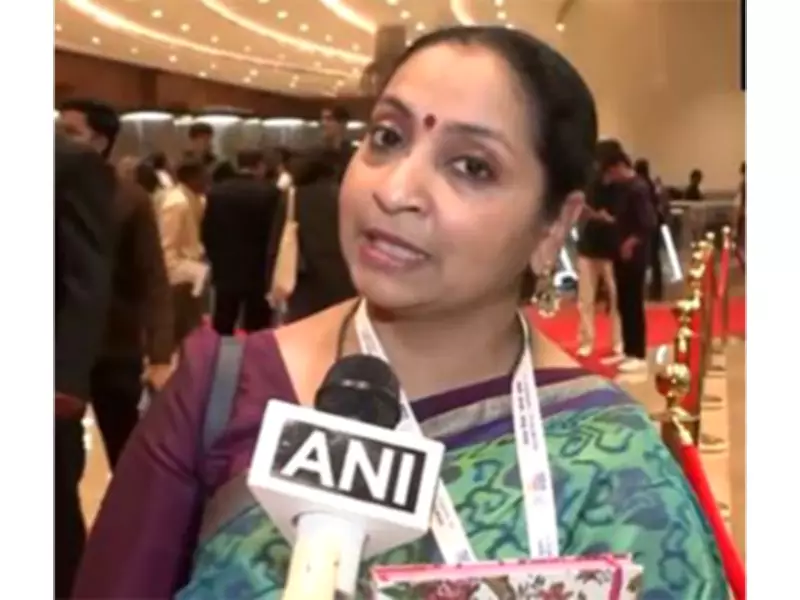
In a groundbreaking perspective on wellness, Devika Rao, the director of the Devika Dance Theatre, has proposed that blending artificial intelligence with traditional cultural practices can significantly aid in healing from illnesses. This innovative approach seeks to merge cutting-edge technology with time-honored methods to foster holistic health and recovery.
The Vision of Devika Rao
Devika Rao, a prominent figure in the arts and wellness community, emphasizes that cultural practices such as dance, music, and meditation have long been recognized for their therapeutic benefits. By integrating AI into these practices, she believes we can enhance their effectiveness and reach a broader audience. AI can analyze data to personalize healing routines, making them more tailored to individual needs and conditions.
How AI Enhances Cultural Healing
The integration of AI with cultural practices involves several key aspects:

- Personalized Therapy: AI algorithms can assess a person's health data to recommend specific cultural activities that align with their wellness goals.
- Monitoring Progress: Technology can track improvements in symptoms or well-being over time, providing feedback for adjustments.
- Accessibility: AI-powered platforms can make cultural healing practices more accessible to people in remote or underserved areas.
This blend aims to create a synergistic effect where technology amplifies the innate healing properties of cultural traditions.
Potential Applications and Benefits
Devika Rao highlights that this approach could be particularly beneficial for managing chronic illnesses, mental health issues, and stress-related conditions. For instance, AI could suggest dance routines based on a patient's mobility levels or curate music playlists to alleviate anxiety. The goal is to offer a complementary tool to conventional medical treatments, not replace them, thereby promoting a more integrated healthcare model.
Moreover, this fusion encourages the preservation of cultural heritage while adapting it to modern needs. It opens up new avenues for research and innovation in the fields of health and technology.
Challenges and Future Directions
While the concept holds promise, Devika Rao acknowledges challenges such as ensuring ethical use of AI, maintaining the authenticity of cultural practices, and addressing privacy concerns. She calls for collaboration between technologists, healthcare professionals, and cultural practitioners to develop responsible frameworks.
Looking ahead, she envisions a future where AI and culture work hand-in-hand to create personalized, effective healing experiences. This could lead to new wellness programs, apps, and community initiatives that leverage both tradition and innovation.
In summary, Devika Rao's insights underscore a growing trend towards interdisciplinary solutions in health. By blending AI with cultural practices, we may unlock new potentials for healing and well-being, making wellness more inclusive and adaptive in our rapidly evolving world.