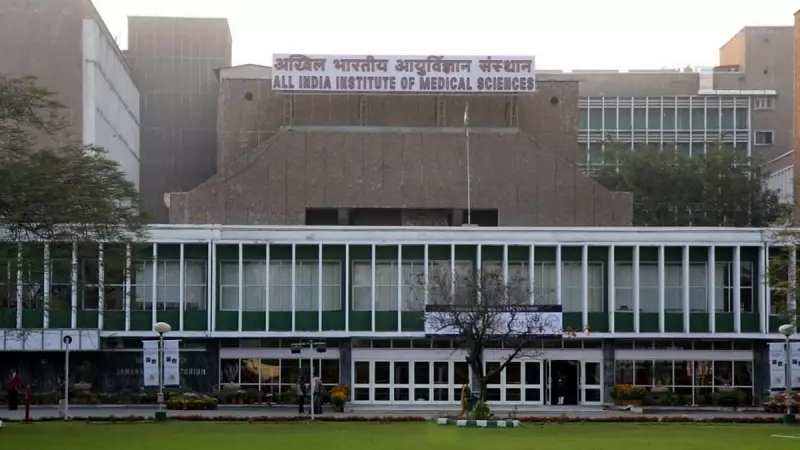
A groundbreaking study conducted by the All India Institute of Medical Sciences (AIIMS) has uncovered significant body image struggles among Indians at both ends of the weight spectrum. The research, published on 05 January 2026 in the Journal of Education and Health Promotion, indicates that individuals who are underweight or obese experience moderate to severe concerns about their physical appearance.
Key Findings on Weight and Self-Perception
The AIIMS research team discovered a strong correlation between weight status and specific psychological challenges. A particularly striking finding was that feeling self-conscious was significantly associated with obesity. This suggests that the social stigma and personal awareness of being overweight heavily impact an individual's mental well-being and self-view.
Conversely, the study identified a different primary concern among those with lower body weight. For underweight participants, the most severe issue reported was a profound lack of confidence. This highlights that being underweight, often mistakenly perceived as less problematic than obesity, carries its own unique and serious psychological burden related to self-esteem and body image perception.
Understanding the Public Health Implications
This research moves beyond physical health metrics to shed light on the often-overlooked mental and emotional consequences of weight-related issues. The findings underscore that body image concerns are not exclusive to any single body type but are prevalent across a wide range, affecting a substantial portion of the population.
The study's publication in a reputable journal like the Journal of Education and Health Promotion emphasizes the need for a holistic approach to health. It calls for healthcare strategies that address not just the medical complications of being underweight or obese, but also the accompanying psychological distress. This includes potential interventions in:
- Clinical Counseling: Integrating body image therapy into weight management programs.
- Public Awareness: Campaigns to combat stigma and promote positive body image across all body types.
- Medical Training: Educating healthcare providers to screen for and address these concerns during patient consultations.
A Call for a More Inclusive Health Dialogue
The AIIMS study serves as a crucial reminder that the conversation around weight and health in India must evolve. By revealing that both underweight and obese individuals experience significant distress, the research advocates for a more compassionate and comprehensive public health framework. Addressing these moderate to severe body image concerns is essential for improving the overall quality of life and mental health outcomes for millions of Indians.