

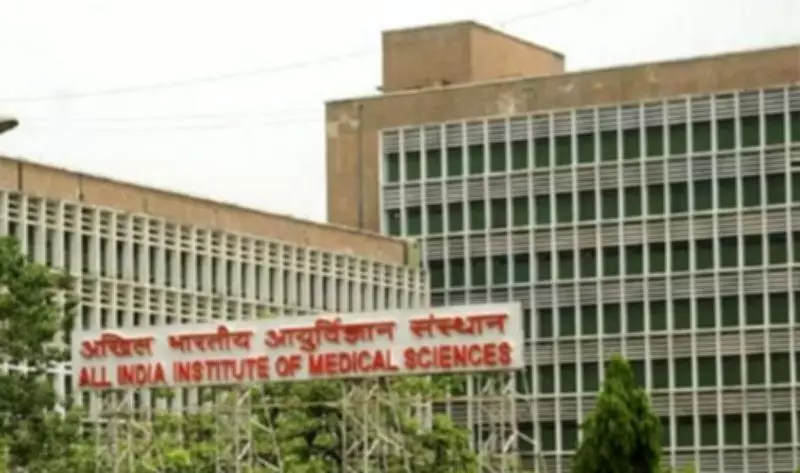
AIIMS Nursing Graduate Takes Helm as Nepal's Health Minister
In a landmark development that underscores the global impact of Indian medical education, a distinguished graduate from the prestigious All India Institute of Medical Sciences (AIIMS) College of Nursing in Delhi has been appointed as the Health Minister of Nepal. This appointment highlights the strengthening of healthcare diplomacy between the two neighboring nations and celebrates a remarkable professional journey from nursing education to ministerial leadership.
From Delhi Campus to Kathmandu Cabinet
The newly appointed minister, whose identity has been confirmed by official sources, completed her nursing education at AIIMS Delhi, one of India's premier medical institutions renowned for its rigorous training and excellence in healthcare. Her academic background in nursing from AIIMS is expected to bring a patient-centric and evidence-based approach to Nepal's health policies, potentially addressing critical issues such as public health infrastructure, disease prevention, and medical accessibility.
This appointment is particularly significant as it marks one of the few instances where an alumna of an Indian nursing college has risen to such a high-ranking governmental position in a foreign country. It reflects the growing recognition of nursing professionals in leadership roles and the cross-border exchange of expertise in the South Asian region.

Implications for India-Nepal Healthcare Collaboration
The selection of an AIIMS-trained professional as Nepal's Health Minister is poised to foster deeper collaboration between India and Nepal in the healthcare sector. Key areas of potential cooperation include:
- Joint initiatives to combat communicable diseases and improve maternal and child health outcomes.
- Exchange programs for medical students and professionals to share best practices and innovations.
- Enhanced partnerships in medical research and public health campaigns, leveraging India's advancements in telemedicine and digital health.
Experts suggest that this development could lead to more streamlined health policies that benefit both nations, especially in border regions where healthcare access is often limited. The minister's firsthand experience with India's healthcare system may facilitate the adoption of successful models in Nepal, such as Ayushman Bharat-like schemes or nursing education reforms.
A Milestone for Nursing Profession and Women Leaders
This appointment is being hailed as a milestone not only for bilateral relations but also for the nursing profession globally. It underscores the vital role of nurses in healthcare governance and policy-making, challenging traditional hierarchies in medical leadership. As a woman in a high-profile political role, the minister's achievement also promotes gender diversity in South Asian politics, inspiring future generations of female healthcare professionals to aspire to leadership positions.
In Nepal, where healthcare challenges include rural access, infrastructure gaps, and funding constraints, her background in nursing could drive a more holistic and community-focused health agenda. This aligns with global trends emphasizing preventive care and primary health services, areas where nursing expertise is crucial.
The news has garnered positive reactions from academic circles in India, with AIIMS officials expressing pride in their alumna's accomplishment. It highlights the institute's role in nurturing talent that contributes to international healthcare advancements, reinforcing India's position as a hub for medical education in the region.






